Poverty or simplicity?


There’s an argument going on among some radical environmentalists claiming that having more than two children is about the greatest sin one can commit against the planet. While many developed countries are characterized by reduced reproduction rates, I would like to argue that large families – and now that we have four children, I believe we have officially crossed that bridge – are often a lot more environmentally friendly than households with no kids, or two children at most.
We are frugal. On average, with each child added to a family, the per capita income is lower. In addition, it’s more likely that one parent, usually the mother, will stay home to be the primary caretaker. This forces large families to be creative with their resources, and make a little go a long way. Around here, a lot less food gets thrown out now than when we were newlyweds. We use less disposables, among other reasons, because when you need to put out plastic dishes for a lot of people, it gets pricey.
Our households are more efficient. The more people live in the same household, the less, on average, they use up per capita in terms of space, water and energy. Children share rooms. Our electricity bill has grown with the addition of children, but not proportionally to the number of people in our family. That’s because the same amount of energy is used, for example, to bake a casserole for two people or for seven (you just use a larger pan). When we use the water heater, we take advantage of every drop of hot water. We take shorter showers because there are other people waiting to use the bathroom, and often two children will share a bath. Oh, and we have much more incentive to declutter and bring less junk into the house to begin with, because we just don’t have the room!
We are hand-me-down experts. Not only are clothes, shoes, toys, books, baby equipment, etc, passed from child to child, but we’ve become experts at looking for, and finding, the best second-hand deals. That’s because the price of new clothes, shoes, toys, and so on, even if you choose the cheapest bargain, really adds up. It makes a lot more sense to buy a gently used item of good quality, or accept hand-me-downs from friends and family. I currently have three huge bags of children’s clothes to sort through. I’ll choose what we’ll keep, and pass the rest on.
We travel less. Before I got married, I traveled abroad on average once a year. I’ve never boarded an airplane since, and now, with four children, it’s unlikely we’ll do that in the foreseeable future (unless it’s relocation for purposes of my husband’s work). With the addition of a fourth child, a standard 5-seat vehicle is no longer enough. This means we need a bigger car – which burns up more gas, that’s true, but here’s the incentive to drive around less! Plus, when you have a bunch of kids and no babysitter, you have to tote everyone around, and this teaches you to be efficient with your errands.
Our entertainment is more family-centered. The more kids you have, the more expensive (and more of a hassle!) it becomes to take everyone to eat out, to the movies, to an amusement park, or indeed to any paid entertainment venture. Finding a babysitter is more challenging, too. Our outings, if we go out, are family friendly and free – to local parks, the library, farms, farmers’ markets, etc.
Disclaimer: we are religious and do believe that earth was created for the benefit of mankind, and not the other way around. Nevertheless, it is our duty to be good and diligent stewards of the resources we have been given, and make sure we “waste not, want not.”
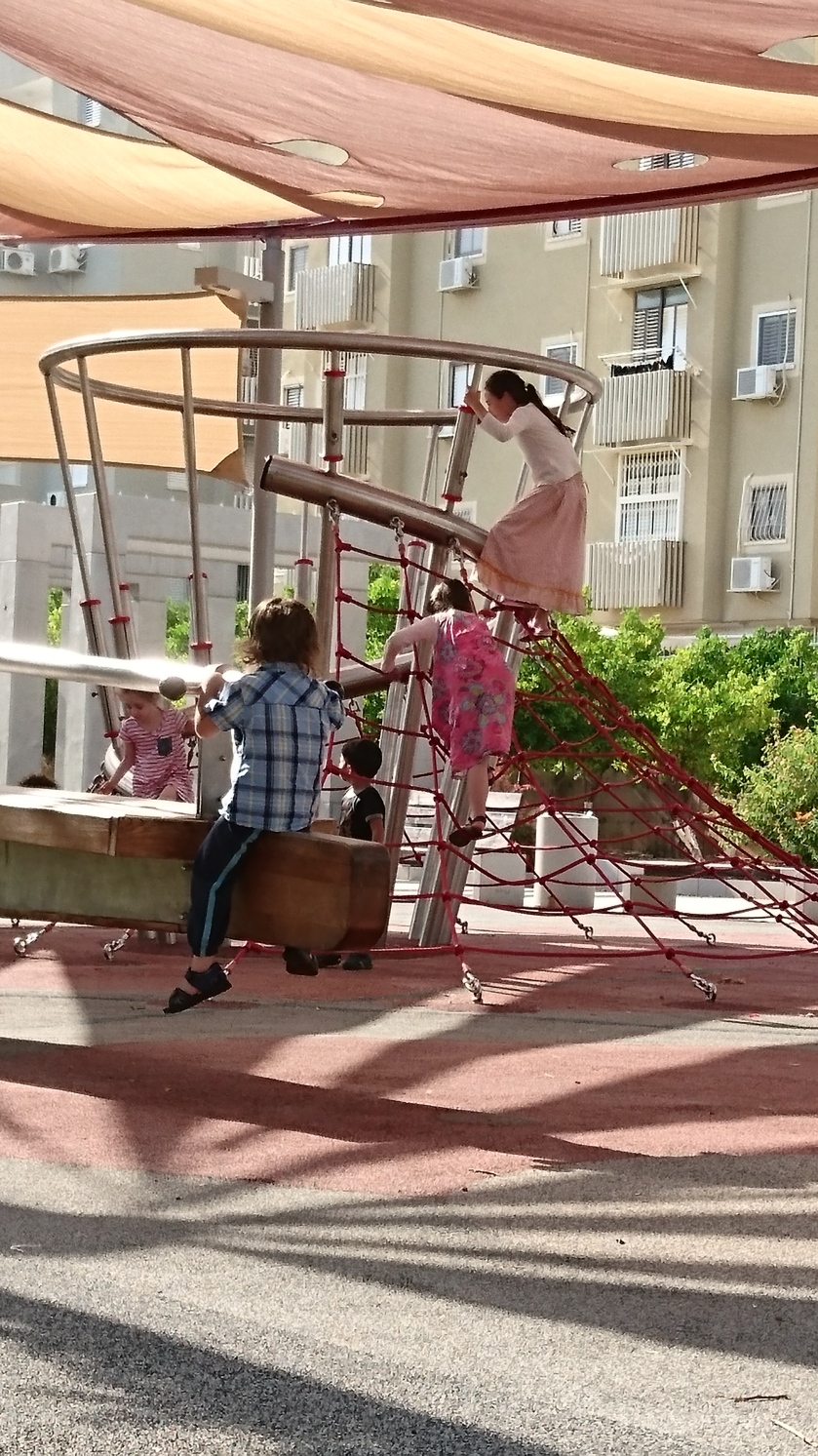
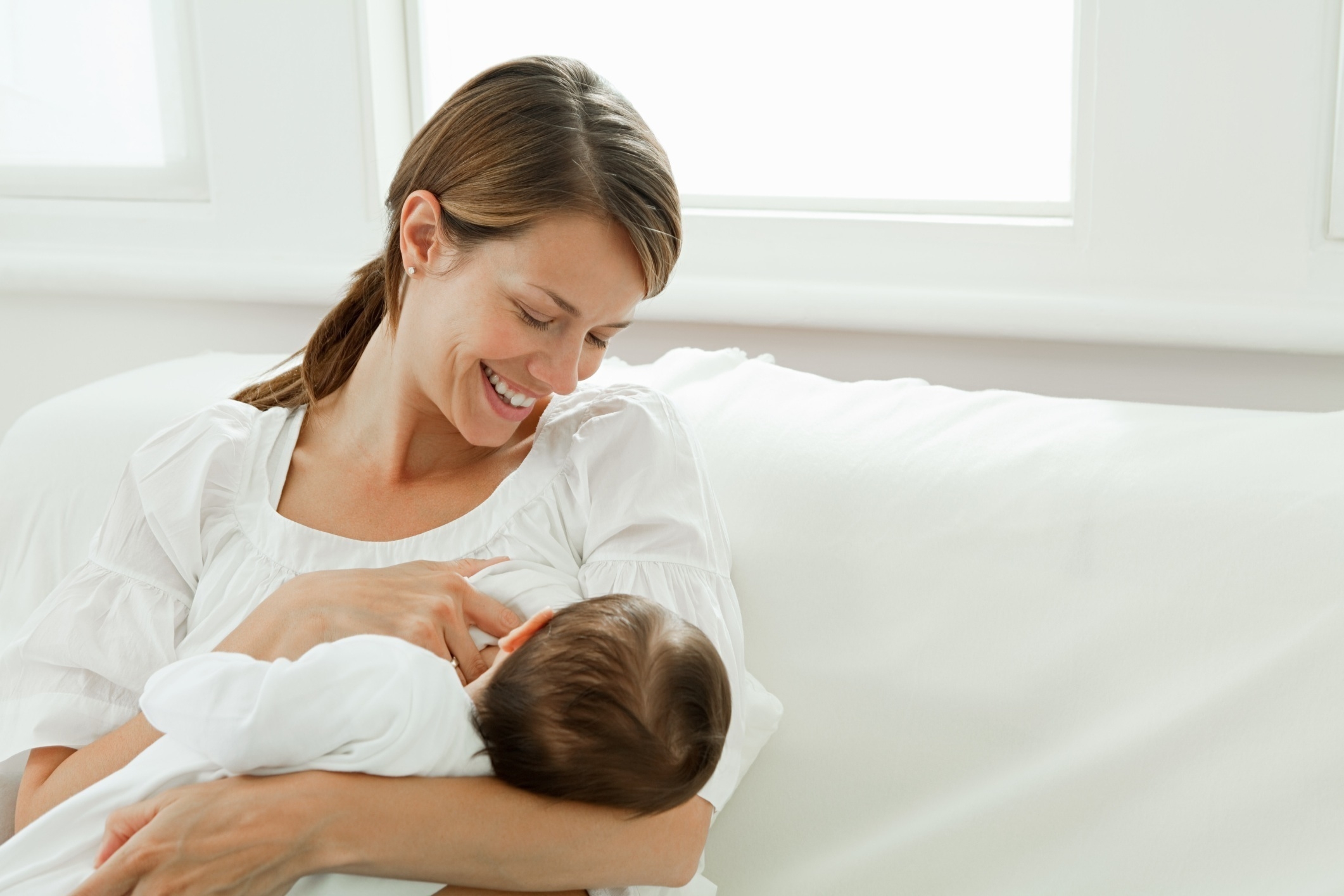
There is a lady who writes in an Israeli magazine, whose articles on parenting I always look forward to. She speaks a lot about parental authority, delegating responsibilities to children, resisting worldly influences and other subjects I find instructive. Her most recent article was no exception. She lamented the fact that so many parents are encouraged to choose the so-called “child-centered” lifestyle, becoming slaves to the child’s choice of friends, clothes, toys, extra-curricular activities, and… nursing on demand.

My latest MEN post features a recipe for homemade chocolate spread that is delicious, easy to make, and far better for you than anything store-bought. It contains exactly four ingredients, and one of those is water.
“Do you like chocolate spread on toast, pancakes or waffles? My kids are ready to eat it by the spoonful if we would only let them, but the kind of commercial junk that passes for chocolate spread in the industry doesn’t have a place on our pantry shelves (Nutella, for instance, contains about 55% sugar and 30% oil, leaving only 15% for anything else).”
The detailed recipe is here.

Above: this armchair, a really great find by someone from the family, ended up finding a home with us because we happened to have an extra bit of space in the living room.
Someday (perhaps when I’m a Granny) I might sit down and compile a little book titled “How to Get Good Furniture for Next to Nothing”. Can you visualize this? Chapter 1: The Landfill. It seems to me this has the potential of a bestseller, doesn’t it? :o)

If there is one recommendation I feel qualified to give regarding teaching young children (especially – but also older children, and adults, too), it would be spending as much time as possible, weather permitting, out of doors.
No matter where you live, there is always something to do, learn and observe outside – tending to your own garden and animals, foraging, taking notes on the various plants, insects, birds and animals in your area, etc.
The outdoors are particularly suited to little ones, in not having the limitations we almost unconsciously enforce at home. There young children can shout and laugh loudly, run without fear of bumping into furniture, jump, climb, and in general let out their energy without bothering anyone.
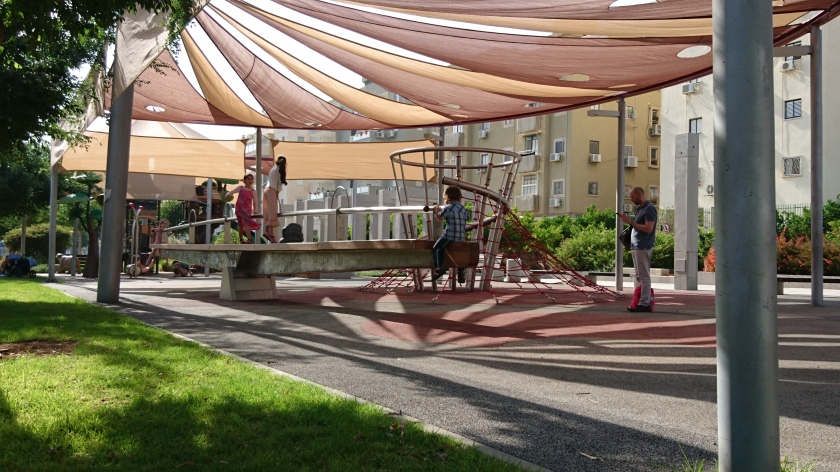
Too many children suffer from severe shortage of unscheduled and free outdoor time – and by ‘outdoor’, I mean not so much neat and orderly playgrounds without a stray blade of grass to be seen anywhere, but wild-ish old parks with ancient trees, open fields, orchards and groves, the sea shore or the river side – whatever humble bit of nature you have in your area.
What about learning? It comes organically when children come back to you from a romp with a collection of leaves and questions; when they squat to observe an anthill for a whole hour together; when they measure the depth of a puddle with a stick, or take notice of the change of weather and seasons.
Here are some more ideas for nature-based activities:
– Drawings or playdough sculptures of interesting objects;
– Collections of leaves, stones, pinecones, seashells, etc, and crafts based on those;
– For slightly older children: nature diaries and photographs that can be made into beautiful collages;
And the best part of it is, you’ll likely have as much fun as your kids!
In the photo: Israel, 3 yrs, is trying to coax a tortoise to peek out of its shell.

Although it’s hard to compete with the oatmeal coconut no-flour cookies, these cookies are lately gaining a place of favor in our family. They are delicious, extremely easy to make, convenient for little hands to shape, and not that bad in nutritional terms. Lovers of sesame seed, like us, will find these addictive.
Recipe is as following:
1 cup flour (almost any kind will work)
1 cup sesame seeds
4 tbsp of your preferred sweetener (maple sugar, date sugar, honey)
1 egg
5 tbsp coconut oil
1 tsp baking powder
Mix everything together. You should have a pliable, workable mass. If it comes out too dry, add a little water or an extra egg.
Form round flat cookies, place on cookie sheet and bake until edges are just slightly golden. It should only take a few minutes. Don’t overbake!
Allow to cool and store in airtight container.