Why do chickens sometimes lay funky eggs?

Eggs are surely the part you’ll most look forward to when getting chickens. If you raise chicks for the first time, you’ll peek excitedly into the nesting box every day. If you stick to natural light, you’ll count the days until spring while you make do without fresh eggs during your hens’ winter break.

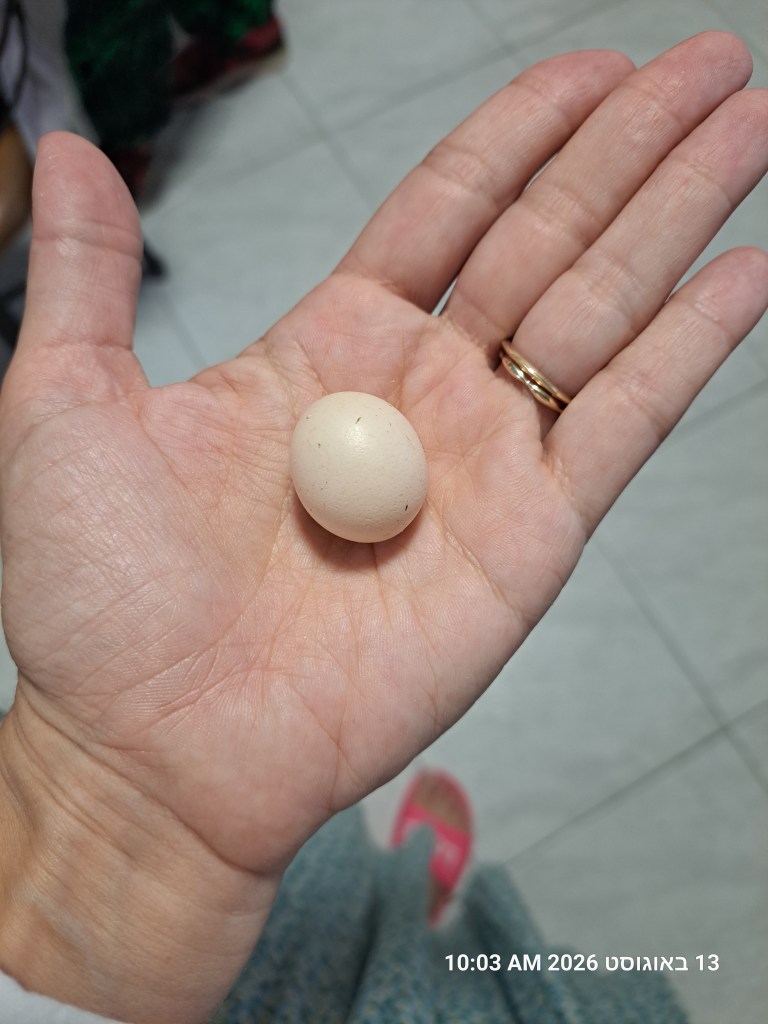
Occasionally you’ll get surprises like an extra large double yolker, which makes you feel sorry for the hen who laid it. And sometimes you’ll find a teeny tiny egg, also known as a fairy or, less politely, fart egg.

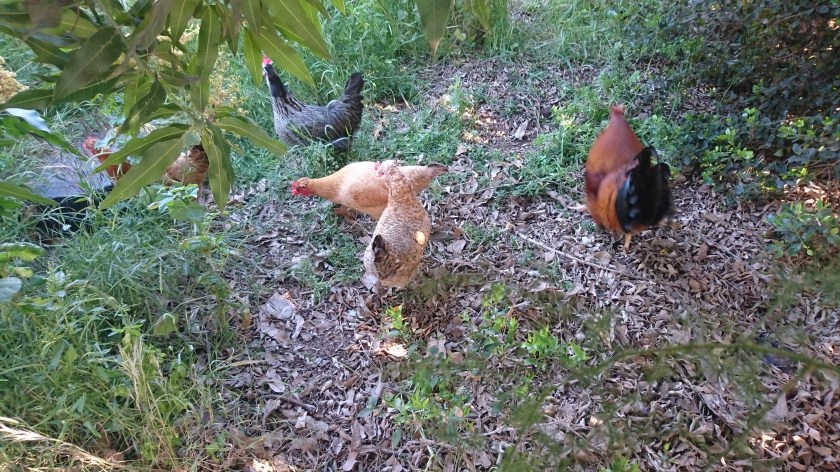
When I found one of these eggs today, it was still warm, but I couldn’t pinpoint which of the girls laid it. I suspect it was one of those who are now going into molt. The coop floor looks like someone split an old-fashioned feather pillow there.

An occasional fairy egg is usually nothing to worry about, though it could point to a reproductive tract issue if this happens repeatedly. When I crack these odd little eggs I just see some egg white with no yolk.

Looking at my hens molt makes me doubly aware that the days are getting shorter and fall is ahead (although it can be hard to believe given the level of heat we’re having). The summer is going by too fast.

It’s chick season again!

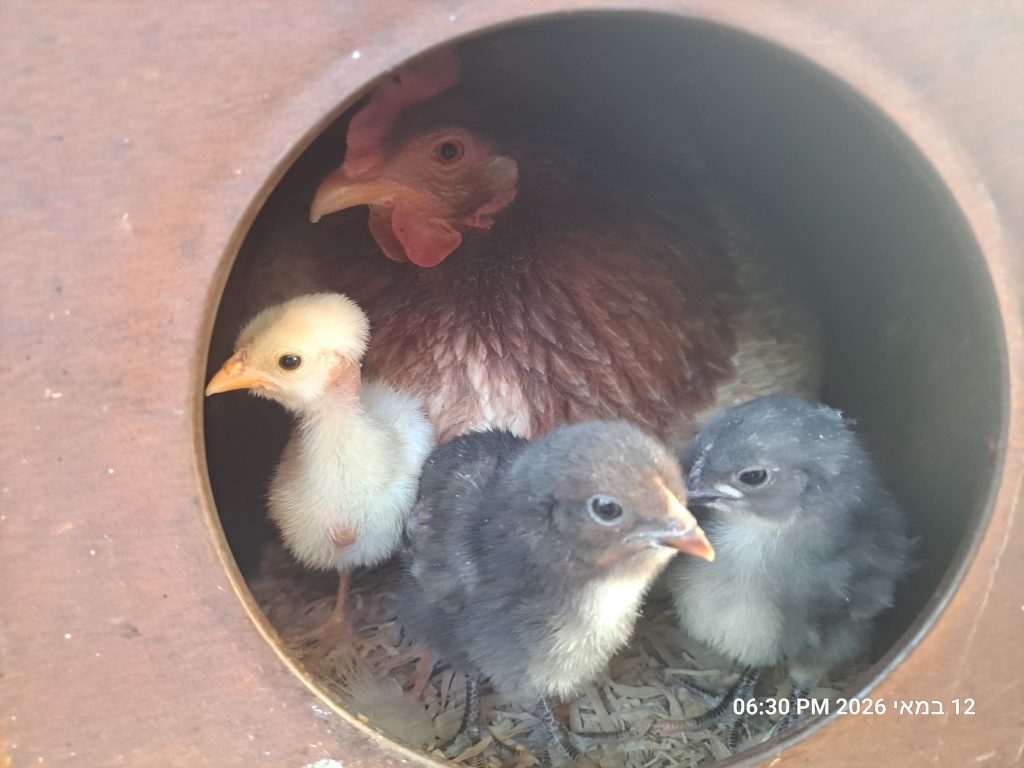
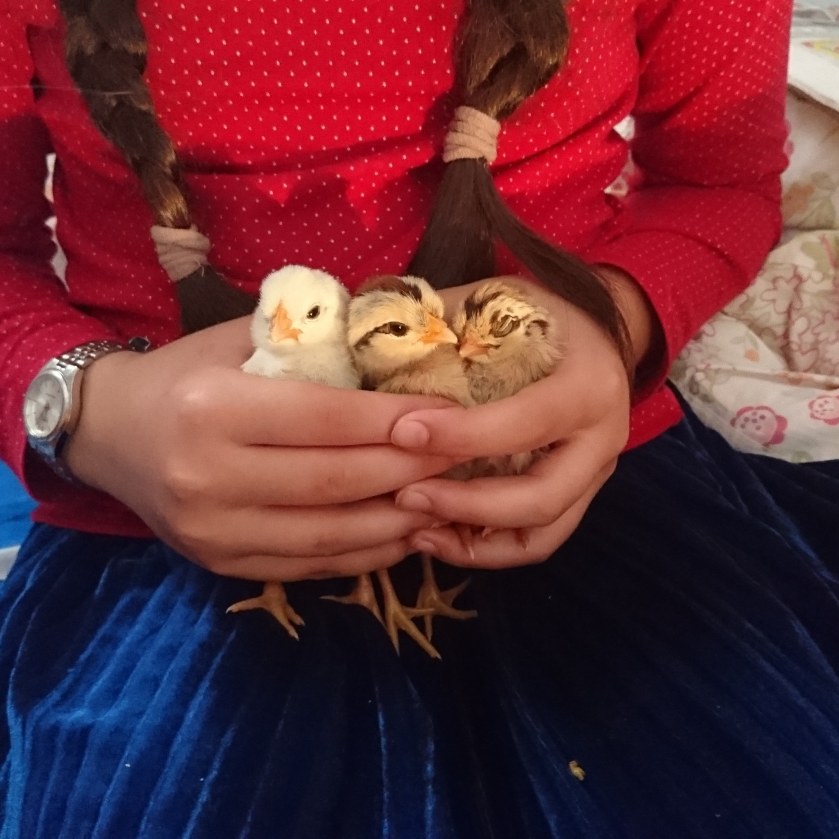
Once again, we’re enjoying the process of letting a broody hatch her own chicks and care for them. She’s such a good mama, keeping the chicks warm, showing them how to forage, and protecting them.

Since we haven’t had a rooster for a while now (thanks to a neighbor who thinks late-night karaoke parties are all good, but occasional crowing is a big no-no), a friend gave us a few random eggs for hatching.

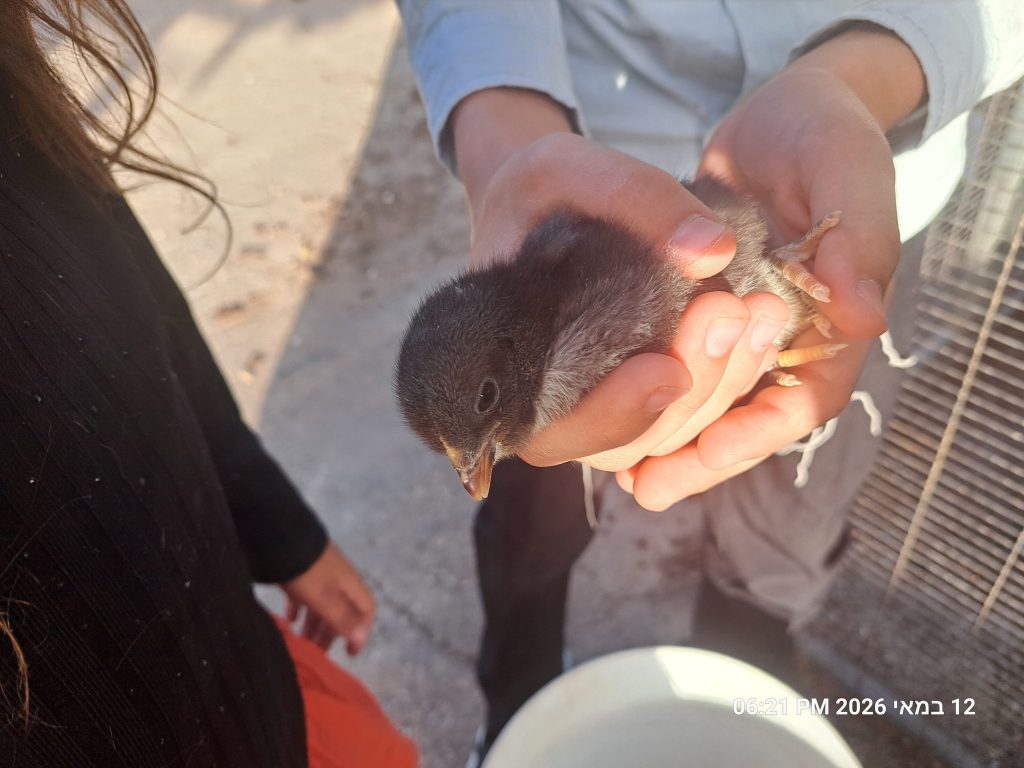
These are backyard mutts, so none of us really knew what to expect, and I freaked out a bit when I noticed one tiny chick had no feathers on the back of the neck. I suspected pecking, but soon realized we probably got a Naked Neck cross. I’m excited to see how it will turn out as it grows.

We have another broody right now, so I’m keeping my fingers crossed for her.

How do you justify the cost of raising chickens?

While hanging out on Facebook, I came across this comment:

In my humble opinion, asking “Why should you keep chickens when you can just buy eggs in the supermarket?” is like asking “Why bother knitting a garment from hand-dyed merino yarn when you can just buy a cheap acrylic sweater on SHEIN?” or “Why buy a mug at an artisan fair when you can get a whole set of mass-produced crockery for the same price?”

It’s all about priorities. And perspective.

Sure, if you’re just calculating how many eggs you get per dollar, Walmart makes the most sense. But as any backyard chicken keeper will tell you, raising your own flock is so much more.

It’s the satisfaction of pulling a warm, fresh egg from the nesting box, then cracking it into a pan and seeing the firm, perfectly formed golden yolk.

It’s seeing your kids turn up their noses at an omelet from store-bought eggs because they can tell the difference.

It’s walking past empty egg shelves in the supermarket when supply chains get disrupted for some reason, and not being bothered because you have far superior eggs at home.

It’s the diversity of the eggs you gather, each one in a different shape, color, and size; and our favorite guessing game, “Who laid this?”

It’s the quiet joy of an afternoon cup of tea while you hang out with your clucking friends. Their antics never fail to entertain!

It’s never having to throw out leftovers again, because chickens eat practically everything.

It’s letting your birds loose and seeing cockroaches, crickets, centipedes, and other creepy-crawlies get demolished.

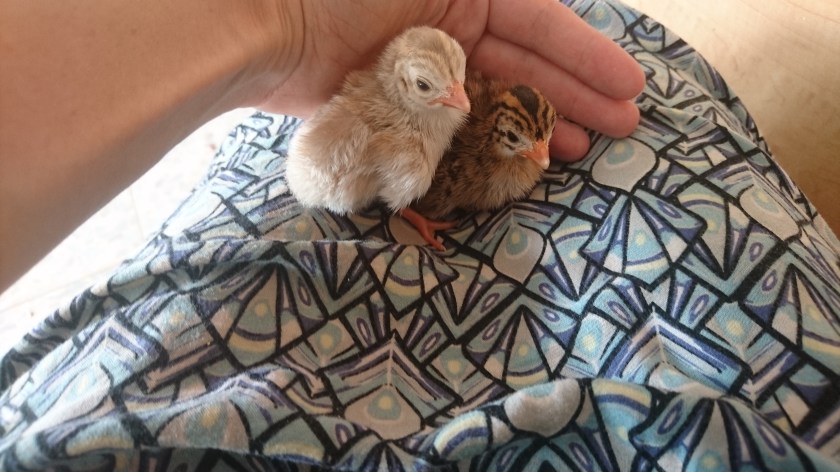
It’s the miracle of watching a tiny chick hatch in an incubator or peek from under its mama’s wing. (The little guys in the photo above are actually guinea keets, but they’re too cute to leave out!)

It’s becoming an informal learning hub for the neighbors’ kids, who get to watch a food chain they had previously thought very little about.

It’s a different kind of life. And when you love it, you stop counting eggs per dollar, and just live it and enjoy.

Wartime mitts in Malabrigo Arroyo

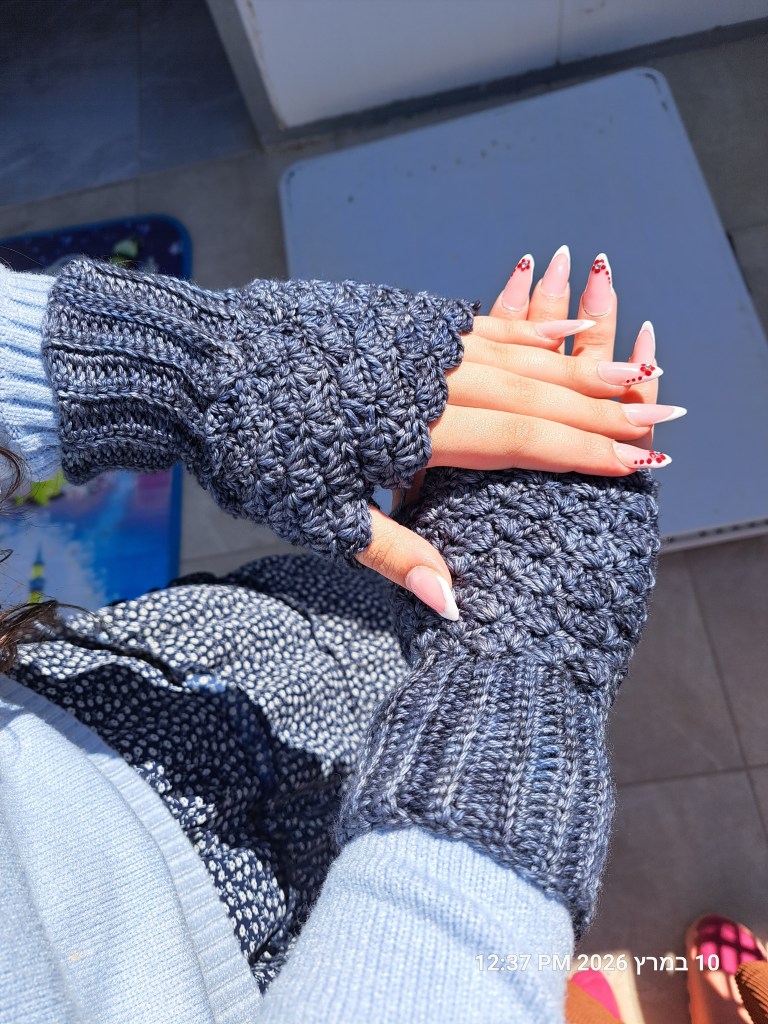
For a while now, I’ve wanted to crochet fingerless mitts similar to those I made in Malabrigo Silky Merino. These turned out to be a perfect little project to keep me calm and focused in the bomb shelter while we wait out Iranian missile strikes.

I worked with a 3mm hook and used about 50 grams (around 150 meters) of Malabrigo Arroyo in the color Cirrus Gray (845). This was my first time working with Arroyo; it behaves pretty much like its chunkier sibling Malabrigo Rios. For comparison, Rios contains 192 meters/210 yards per 100 grams, while Arroyo packs 306 meters/335 yards per 100 grams.

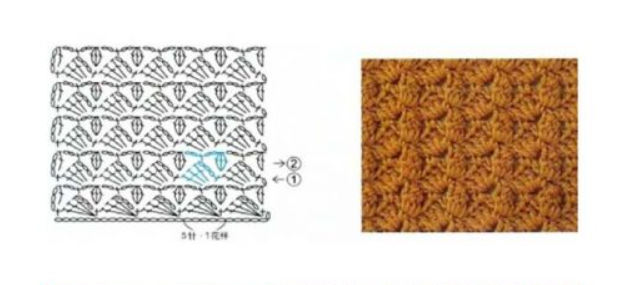
The ribbing for the wrist part is a rectangle made from single crochet in the back loop, then joined with slip stitch to form a tube. I then continued working the main part in this stitch:

Like other superwash Malabrigo yarns, Arroyo is smooth, uniform, and easy to work with. It comes in an array of vibrant colors and frogs easily if you need to go back and correct a mistake.

Crochet dress in merino-silk blend

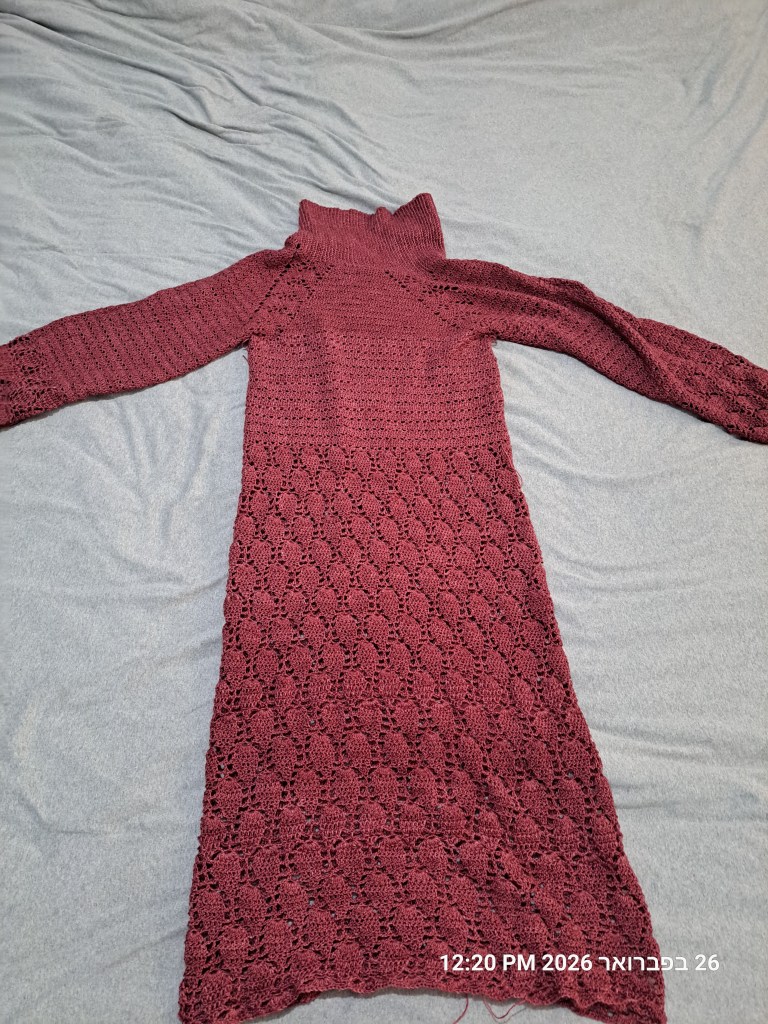
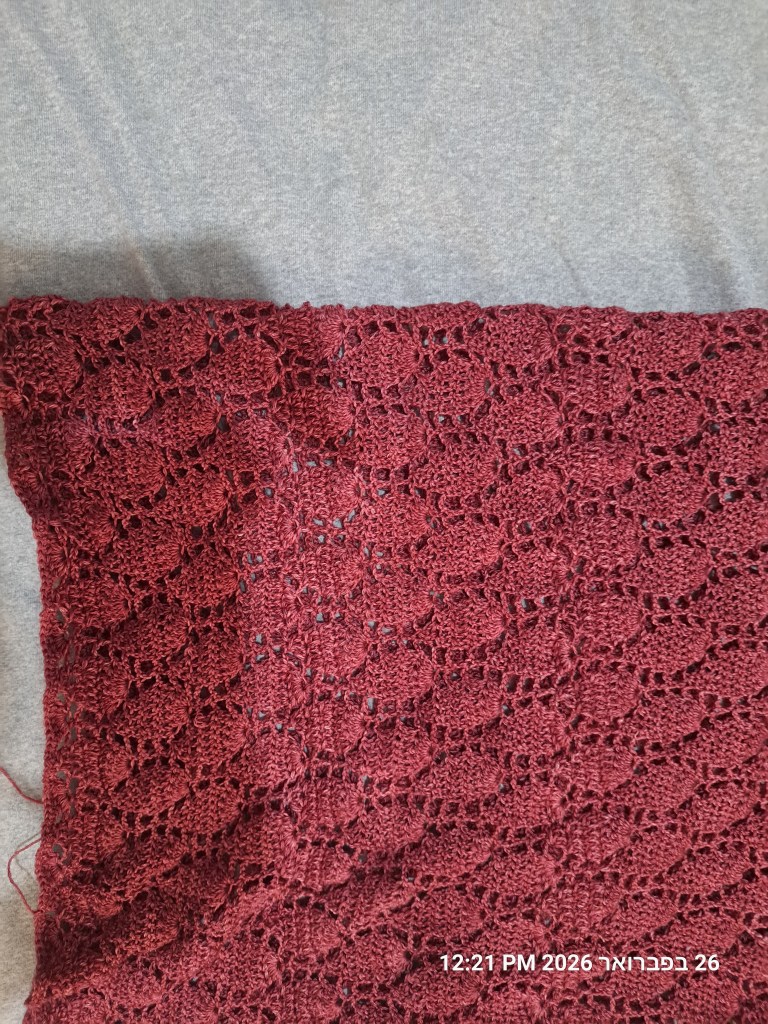
This dress has been a long-standing project I’ve worked on, on and off, for almost a year. Sure, it took a while, but was so fun to make, and the result is just what I’d hoped for: a stretchy, drapey sweater dress, not too warm, light and airy, perfect for layering.

(Yes, I’m aware I still have ends to weave in, but I couldn’t wait to share this!)

I used Silk Merino Hand Dyed by Ice Yarns, a discontinued yarn. Side note: I will no longer recommend yarns from, or link directly to, the Ice Yarns store, as they have stopped shipping to Israel. But, since I already had this in my stash, I thought I might as well use it up.

This yarn is 80% merino and 20% silk and contains 361 yards/330 meters per 50 grams, which makes it lace weight/light fingering. I used 8 hanks, or 400 grams. A 2 mm hook for the collar and cuffs, and 2.5 mm for the body.

I adapted a Pinterest pattern and freehanded the ribbed cuffs and collar. The collar was the most time-consuming part by far!

Growing, harvesting, and using turmeric

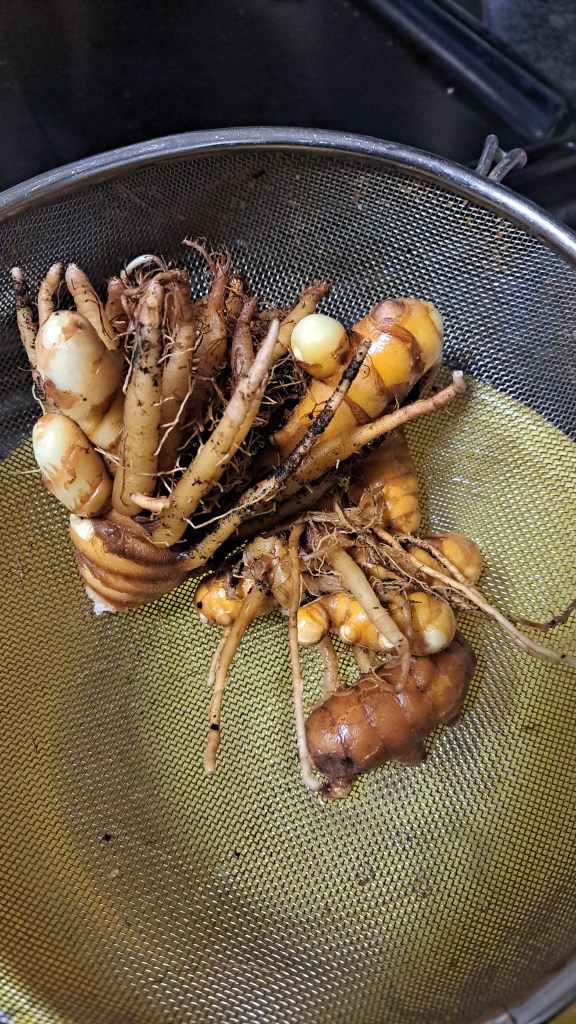
Yesterday, I began harvesting some of the turmeric I had planted last year from rhizomes a friend had given me. I was thrilled to discover lovely, plump, fresh new rhizomes!

Rhizome is actually a thickened underground stem that the plant uses to store nutrients and propagate. To grow turmeric from rhizomes, look for “growth eyes” – little bumps/nodules on the surface of the rhizome. Each piece that includes an “eye” can grow into a whole new plant.

I had grown my turmeric in pots because of space constraints and also to protect the plants from chickens scratching around. Choose plump, firm rhizomes for planting.

Since it never freezes here, I planted when it was still winter. If you live in a colder climate, wait until after the last frost or start your plants indoors. Turmeric likes moist but well-draining soil and plenty of sun.

(Image from Pixabay, since I didn’t take a picture of my turmeric plants while they were fresh).

Turmeric needs a long growing season of 8-10 months. You must wait until the leaves turn yellow and begin to wither – that’s a sign of mature rhizomes. Save some of those for replanting and use the rest in cooking.

Peel and grate or thinly slice the fresh turmeric and add it to soups, stews, stir-fries, or any dish that calls for powdered turmeric. It will be less concentrated than turmeric powder, but I find that it adds a unique flavor.

If you have a bumper crop, you can freeze some sliced/grated turmeric for later use, or even dry and grind it into powder.

Should everyone make aliyah right now? And also: Would you live in Singapore?

Photo by cottonbro studio on Pexels.com

Lately, I’ve been following Hillel Fuld, who says “all Jews belong in Israel. Every single one,” and urges every American Jew to make aliyah, like, yesterday.

He says,

You don’t need to speak Hebrew fluently to live in Israel. Fact.

Correct. I belong to a generation of repatriants from the former Soviet Union, many of whom never have and never will speak fluent Hebrew.

I admire the people who made a life for themselves here despite the language barrier, but I will never, ever dismiss the challenge of moving from a country where you’re a fluent speaker to a country where you have to struggle to make yourself understood. It’s a loss so profound you won’t really understand it until you’ve lived it.

“You don’t need to lower your quality of life in Israel. Fact.”

Actually, no, not fact. If you lived in a single-family home on a half-acre lot overseas, but can only afford an apartment in Israel (like the vast majority of people here), I’d say that’s a lower quality of life.

Is the sacrifice worth it to be able to live in Israel? For many people, yes. But please don’t pretend the sacrifice doesn’t exist.

“You don’t need to cut your salary in half. Fact.”

Again, not fact, and saying this is simply disingenuous. How much you can earn in Israel depends on your profession, connections, and a whole lot of luck. If, for example, you’ve built a local business in the U.S. and your livelihood depends on serving a certain clientele, you’ll likely have to start from scratch in Israel.

The vast majority of professionally successful people I know who have come here as adults have done some sort of retraining (besides learning Hebrew). Many highly educated people have had to pick up jobs like cleaning or landscaping, often for years, until they can find their footing again.

Moving to Israel, even if you’re Jewish and coming home to your people, is becoming an immigrant. And being an immigrant is never easy.

Apart from all that, in the hypothetical scenario that all the Jews in the world rush to Israel tomorrow, we’ll be facing serious logistical difficulties.

Of course, Israel has a fantastic track record of accommodating large waves of aliyah. In 1990, before the massive influx of Jews from the USSR, Israel’s population was only about 4 million. The new ex-Soviet Israelis inflated the population by 1 million in a very short time – that’s an insane effort when you consider every new arrival needed housing, infrastructure, and integration.

I’d say Israel has done a great job here, but we’re a tiny speck of land with an abnormally high birthrate for a developed country. We’re practically bursting at the seams already. It makes me feel claustrophobic when I see more and more fields, orchards, open spaces make way for roads, buildings, endless concrete.

“But there’s plenty of space in the Galilee and Negev!”

Yes, thankfully, some areas in Israel are less crowded… and we NEED them to remain this way. Those lovely fields and hills aren’t just “wasted spaces” waiting to fill up with more apartment blocks. Our souls need access to nature, and it’s our duty to preserve the biodiversity of this land, which is our legacy.

“Israel should follow Singapore’s example: maximum efficiency, as many people in as little space as possible.”

Would you like to live in Singapore? Maybe some would. I wouldn’t. Just looking at videos from there feels suffocating.

Maybe a few already-crowded neighborhoods could improve if you take Singapore as a model, but this wouldn’t work for historically and culturally significant places like Jerusalem, Tiberias, Tzefat.

Can I offer solutions? For starters, I think Israel needs to address the elephant in the room: land piracy.

No, I’m not talking about settlements. I’m talking about the Arabs, Bedouins, and yes, even the Druze, who build nonstop and then apply for retroactive permits. In 2023, Israel ceded a portion of a nature reserve near Haifa in favor of the Druze town of Daliyat al-Carmel – part of this move to legalize already existing, illegally constructed homes.

It’s a humiliating move that shows how little authority the country actually has over land, even within the borders of what is internationally recognized as sovereign Israel.