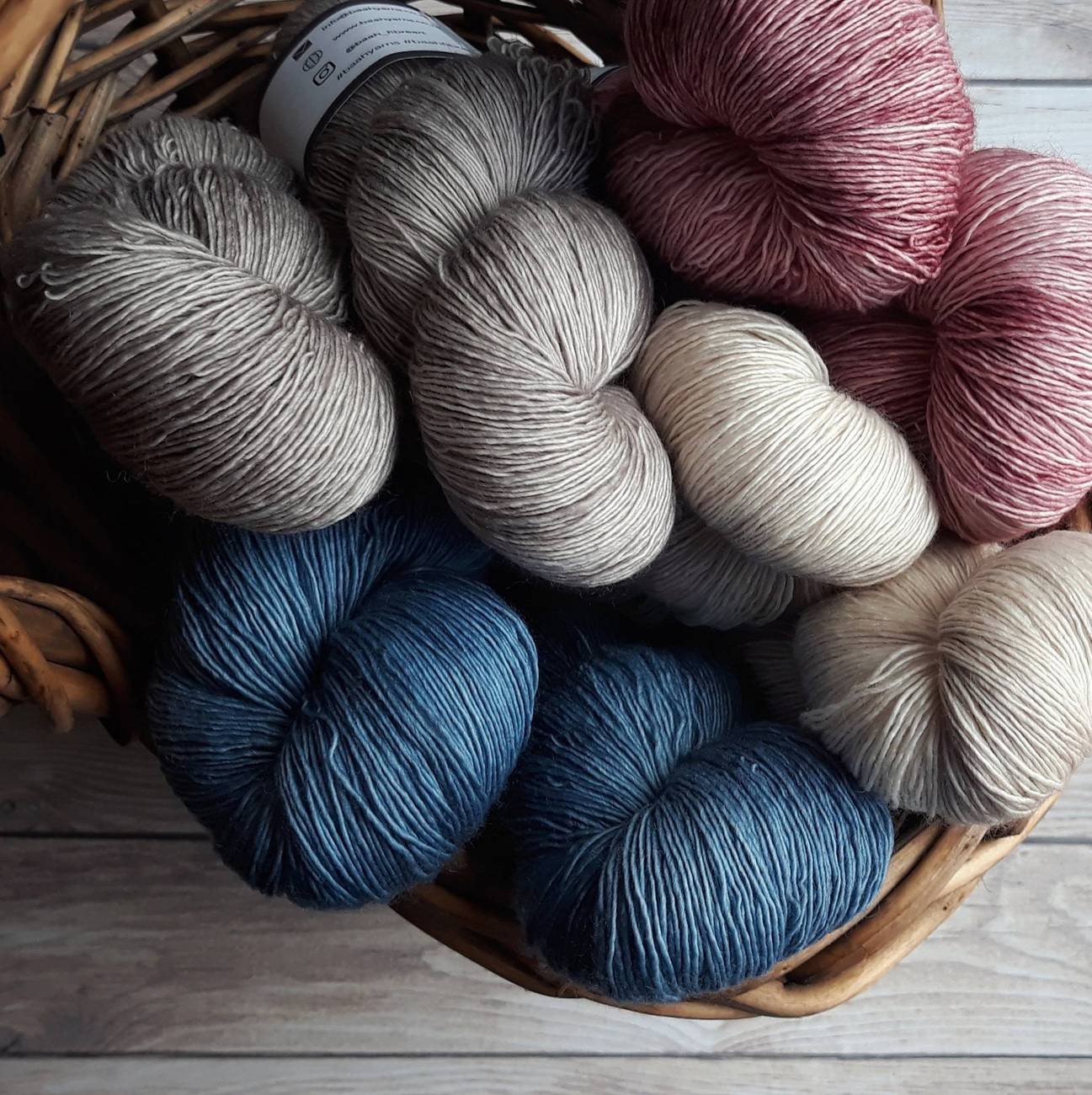
It was a tiny store tucked into the crook of a little side street, with no showy banner or attractive display windows. But if you knew where to go, you’d see bins upon bins of discounted yarn overflowing to the sidewalk, and ladies rummaging in them enthusiastically. On the shelves inside, you would find every yarn you could ever want, from affordable acrylic to luxury cashmere blends.
I had not been there since the coronavirus breakout and ensuing restrictions in March, and I’m not even sure the store is still there. It was not an essential business, so it wouldn’t get permission to operate during lockdowns. It was tiny, with barely any room between the display shelves and the counter, so it wouldn’t allow for social distancing. It was not big or modern enough to have financial reserves or switch to online orders.
I’ve completed many crochet projects since the start of the COVID-19 era, with yarn arriving in convenient, hazard-free packages from eBay or Ice Yarns. But I miss the little warm hub where the proprietor would always be ready to chat about anything related to knitting, crochet, and macrame; where other visitors would sometimes chime in with spontaneous opinions about whatever you were buying; where I would see displays of beautiful fiber art from local artisans.
I have most of the things I need within walking distance, and haven’t been to town in months. And I fear that next time I peek into that little side street, I will see the yarn shop locked up or replaced by another business – perhaps a place selling cheap plastic homeware or cell phones or toiletries – something that would get more of a leeway than a yarn shop to remain open.
I realize that the COVID restrictions are necessary to keep the infection levels down, but I feel that social distancing regulations are killing us as a society. They are knocking down the weak and vulnerable, the poor and the lonely. They prioritize large, soulless convenience stores over small businesses run by real people. They isolate us and deprive us of everything that is so essentially human, like hanging out with friends and spontaneous hugs. That’s a tragedy, and I don’t know how to avert it or whether we can ever turn the wheels back.