
5 Strategies For Surviving Extreme Poverty

Related image

Extreme poverty looks different in Western countries, but it does exist. If someone is Googling articles like this one, it means they have electricity and internet connection, and probably aren’t starving outright. Nevertheless, they may not know where they are going to live next month, how to pay for the weekly trip to the supermarket, or where to get shoes for their kids to replace those that are falling apart.

Our family has been through financial highs and lows, with extremely long periods of no regular income, but thankfully we have been able to cope by thinking out of the box and implementing some extreme measures. Hopefully, these will help other people who are struggling right now.

Housing – for many people, this is the biggest monthly expense. If you are renting, you may want to consider moving to a cheaper area and down-scaling. If you own your house, you might create a stream of passive income by renting out a room or a unit for Air B&B. Selling and purchasing a smaller house in a less expensive area is also an option. However, if at all possible, do not sell your house just to fund living expenses. I guarantee your money will get frittered away and you’ll be much worse off when all is said and done. We made this mistake once, and I still deeply regret it. Looking back, I’d rather have had us tighten our belts further for a few months.

If you are lucky enough to have supportive family, sometimes your best choice would be to move in with them. I would only recommend this as a last resort, however, because I believe in remaining independent unless there is absolutely no other choice; and, if you do move in with family, I’d constantly work towards having my own place again and, of course, make sure you are pulling your weight as much as you can by helping with chores, bills, groceries, etc.

Utilities – There are many creative ways to save on electricity, water and other bills. Make sure you make your home as energy efficient as you possibly can. This can mean drawing blinds in the summer or painting the roof white to deflect sunlight, or adding extra insulation in both summer and winter to keep cold or heat out. Check your doors and window frames; if you can feel a draft of air, it means your insulation has room for improvement.

Many people labor under the assumption that they are entitled to be toasty warm in winter while wearing nothing but a T-shirt inside, and comfortably cool in the summer up to the point of wearing a light jacket indoors. I invite you to challenge these assumptions. Wear layers in the winter, and cool off in the summer by hanging wet curtains over open windows. Save money by taking shorter showers and bathing two (or several) kids together.

Transportation – What with gas, insurance, repair and maintenance, cars are huge money guzzlers. If you live in an area with good public transportation, consider doing without a car entirely. At the very least, consolidate your errands and, for recreation, explore your area rather than drive far. Rediscover walking and bicycling as alternative healthy local transportation means.

Food – Do not feel tempted to cut your grocery bill by opting for cheap, high-calorie foods full of sugar, white flour and refined vegetable oils. Rather, learn to make the cheapest nutritious foods you can get, and reduce some more by clipping coupons and shopping wisely. You can often find real treasures in your supermarket discount bin – foodstuffs that go for an extremely low price because their expiration date is near or because their packaging is slightly damaged. Bread and baked goods are often sold extremely cheaply at the end of the day, and vegetables and fruits at the end of the week. Swapping with neighbors and foraging help out a lot, too.

Necessities – Thrift stores often carry gently used clothes, shoes, toys, books , household items, and so on, at the fraction of the regular price. Also keep a lookout for great finds people in your area are giving away. Don’t look down upon dumpster diving, either – we have salvaged some real treasures from the curb, from books and games to clothes and furniture.

Whatever you do, do not apply for direct government assistance, the kind that would get social services across your threshold. I don’t know about where you live, but here it comes with the price of being constantly monitored and probed for “parenting capability”. Children have been taken from perfectly adequate parents whose only crime was being poor. Because of budgeting allotment, this corrupt system would rather pay a monthly allowance to foster families than give the struggling parents financial aid.

Keep looking for ways out! Don’t let the present suck you in like a permanent sluggish murky bog with no prospects. This has been my mistake for a long time, just looking at nothing beyond daily survival – no matter how good you get at saving, pinching pennies and doing without, sometimes you just have to stop and think of ways to make a radical change and take a different turn. Always look forward with hope for change, and see your present strait as something that will pass.
Basic Crochet Tutorial: Granny Square

The granny square is a classic crochet element that figures in all sorts of projects, from blankets and ponchos to bags and scarves. You can use up scraps of yarn by making many granny squares and stitching them together, or you can make one giant square into a blanket or rug.

There are many variations to the granny square, and in the following demonstration I’m showing the classic one. Whatever spin you put on it, the square shape is achieved by adding from the corners.

DSC_1103

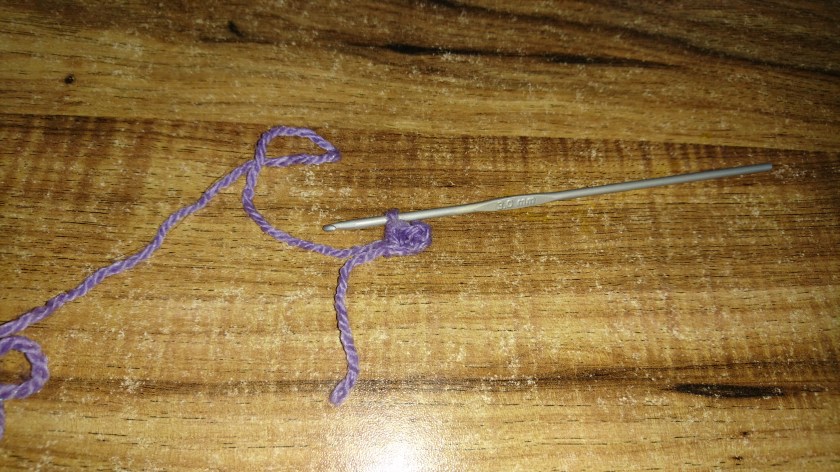
Step 1: make a short chain and connect the last stitch to the first, creating a circle.

DSC_1104

Step 2: chain 2, double stitch 2 (will look like 3 double stitches), ch3, dc3, until you have 4 clusters of 3 stitches and 4 “empty” sections. These are your corners.

DSC_1105

Step 3: In each 3 chain space, create a corner by making 3 dc, 2 chain, 3 dc again.

DSC_1106

Step 4: I’m creating a classic checkered pattern by looping my stitches through the chain 3 of the previous round, but it really doesn’t matter what you do as long as you keep adding to the corners: dc 3, ch 2, dc 3.

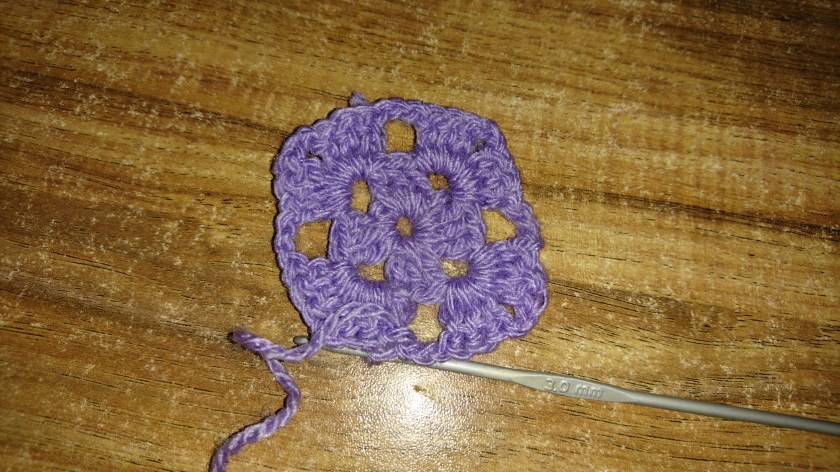
I made this demonstration with crochet hook number 3 and acrylic yarn. In case you are wondering why I switched yarn colors in the end, I started with some leftover yarn length and ran out of it before I could finish the last row. Yes, I’m quickly using up those yarn scraps and am allowing myself to browse clearance sales to re-stock my stash.

Can you feel the spring?

The end of February is probably the time when everything around here is the freshest and greenest. After a week of rain, I went out to see my little garden completely covered with unruly weeds – but all my plants looking healthy and invigorated all the same.

DSC_1097

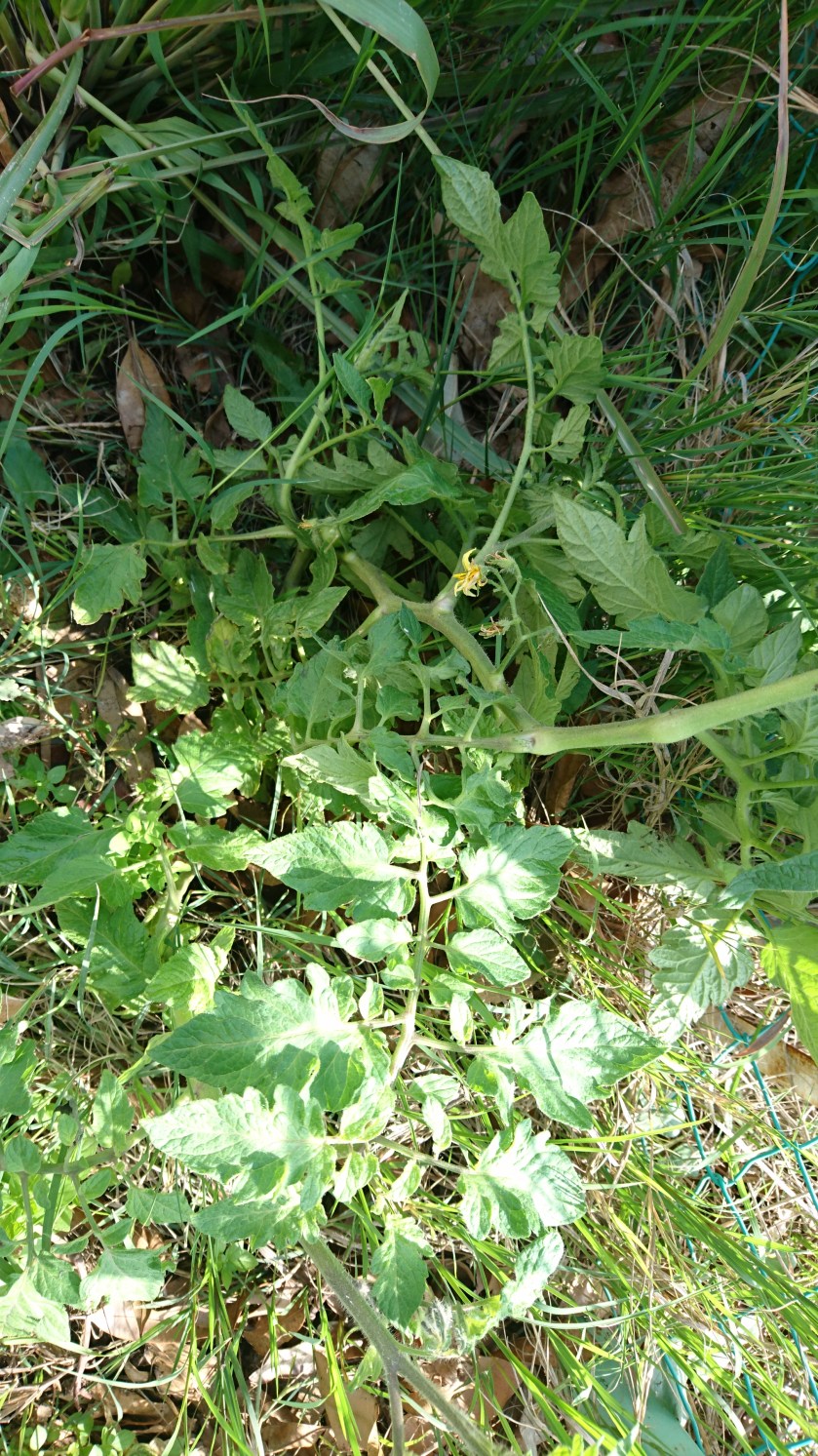
The tomatoes are actually starting to grow tiny fruit! I’ve tied the vines to the fence to keep them from sprawling over the ground.

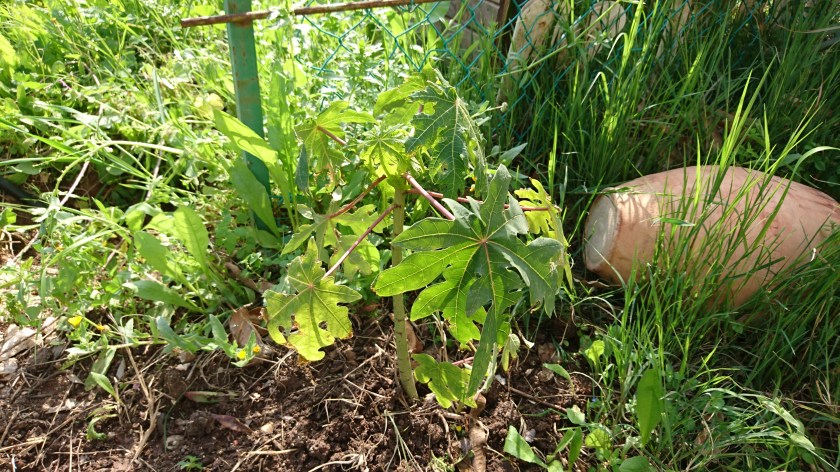
DSC_1098My little papaya is really beginning to shoot up

The mint and hyssop are looking nice and fresh. So do our potted celery and beet greens.

I hope that even those of you who are still snowed in will get to feel the breath of spring soon. As for the folks at the southern hemisphere, who are gearing up for autumn, I’m wishing you a cozy, snug winter with many cups of tea, good books, and crafts.

Crochet Tutorial: The Basics

Basic (1)

Following my crochet posts, I got a request to make a tutorial showing the basics. This is the beauty of crochet, actually – once you have mastered the 3-4 basic stitches, you can make almost anything by combining them.

So, without further ado, here is my demonstration of the most fundamental crochet stitches: basics for beginners. 

The chain stitch is the simplest of all – it’s basically just pulling loop through loop using a hook – but it’s important because every crochet project starts with a chain.

Single stitch: after a chain, this is the first stitch you should learn. It creates a tight fabric and is very commonly used in various projects.

Double stitch is perhaps the stitch I use most often. It creates a looser, stretchier weave and makes for faster work than the single stitch.

Triple stitch: I don’t use the triple stitch that often, but it’s a cool stitch that creates tall, nifty-looking columns. It’s great for height contrasts, ripple effects, and lace.

When you begin practicing the crochet stitches, choose a comfortable-sized hook and yarn that is plain-textured and doesn’t fall apart (in the demonstration above, you can see that the yarn I used has a bit of a tendency to separate into filaments). Something like this yarn would be a good choice.

Activities for kids: structure vs. freeform

DSC_0851

In today’s post, I would like to elaborate a bit on Lisa’s question:

I was wondering how you structure indoor activities. I don’t know if I should expect my children to do quiet or individual activities for longer periods of time, they are 10, 8 and 5 (one girl and two boys). I find they want to be with me or doing things with me all day which I love but I would like them to find settled indoor activities they can do alone. I appreciate any thoughts you may have! 

Like you, I love to sit and do all sorts of interesting and creative stuff with my kids. I can easily lose myself in watercolors, a game of monopoly, a puzzle, or a good book. But how much is enough, and how do I strike the balance between a helicopter mama and the lazy parent who can’t be bothered by anything?

I homeschool and work from home, so the boundaries of work, school and play tend to become kind of blurred. It’s easy to assume that if you’re at home, you must be at leisure, but if I let people (including my own kids) get away with it, I would never be able to get anything done. Therefore, I try to foster independence and individual activities from an early age.

My older girls love to read, draw and paint, which they can do for hours on end. Sticker collections, slime, and modeling clay are popular with the 4-year-old too. Often the older girls will read to or entertain their little brother. Israel also loves construction toys such as Lego or blocks. The kids also do spontaneous dress-up plays together, which is adorable.

I don’t really structure indoor activities beyond making all the equipment – books, art supplies, board games, etc – readily available and keeping them in good order. I just sit back and let things happen. I have taught my children that, although I might be home all day, I’m not always available to play (well, the baby does still have some learning to do on this!). I do not, however, disappear on them – whatever I’m doing, whether it’s in the kitchen or on my laptop, my kids can see me and talk to me if necessary. Hope this helps!

Between the drops

DSC_1084

We’ve had so much rain here lately that I’m seriously considering to go into hibernation mode until it’s all over. I know, I know. It’s unfair to complain about a bit of rain and mud when the country needs water so badly, and when my friends in the northern states and Canada are snowed in, but I do love sunshine with a passion and absolutely need lots of it to feel happy.

In the meantime, we are going on with our indoor diversions of baking, reading and crafts. In the photo above, you can see the cute little throw-on vest I had just completed (the loose ends still need to be tucked in!). It’s made from alpaca wool blend and was a joy to work on. I imagine it would also work great with pure alpaca yarn, such as this lovely yarn from LoveCrochet.

DSC_1082

On a rare sunshiny afternoon, we went for a walk to take some photos of these beauties – almond trees in bloom, the typical local herald of spring.

DSC_1083

And this last one is my favorite – this old stump looked quite dead until new green shoot began to pop up all over it. Now it’s teeming with life. So hopeful!

I hope you are all staying safe and warm and successfully battling cabin fever. Soon enough, it will be time for working in the garden, gathering wild edibles and, perhaps my most dreaded feature of the season, spring cleaning.

Using Up Yarn Scraps

I went to sleep after a lovely sunny day of working in the garden and pleasant outdoor time with my kids, in full expectation of doing some of the same tomorrow – but woke up to sounds of rolling thunder. This means a day of staying cozy inside, reading, many cups of tea and cocoa and, of course, crafts.

Speaking of which, pop over to read my latest Mother Earth News post, full of ideas on using up those little odds and ends of yarn that you surely have in your stash:

“If you are an avid knitter or crocheter like I am, you will inevitably at some point end up with a stash of scrap yarn, left over from various projects, which you cannot bear to throw away. Fear not, however – those little odds and ends can be used in a variety of creative ways which will leave your craft cabinet looking a lot more orderly.”

And, since freeing up space in your yarn stash is the perfect excuse to get new yarn, you might want to check the clearance page on LoveCrochet. All these lovelies just get me drooling.