Propagating lavender

DSC_0434

I’ve wanted some lavender for my herb garden for a while now. Lavender has many wonderful medicinal properties, and besides, I love the way it smells. Satchels of dried lavender are lovely to place in a closet or other confined space for a gentle perfume.

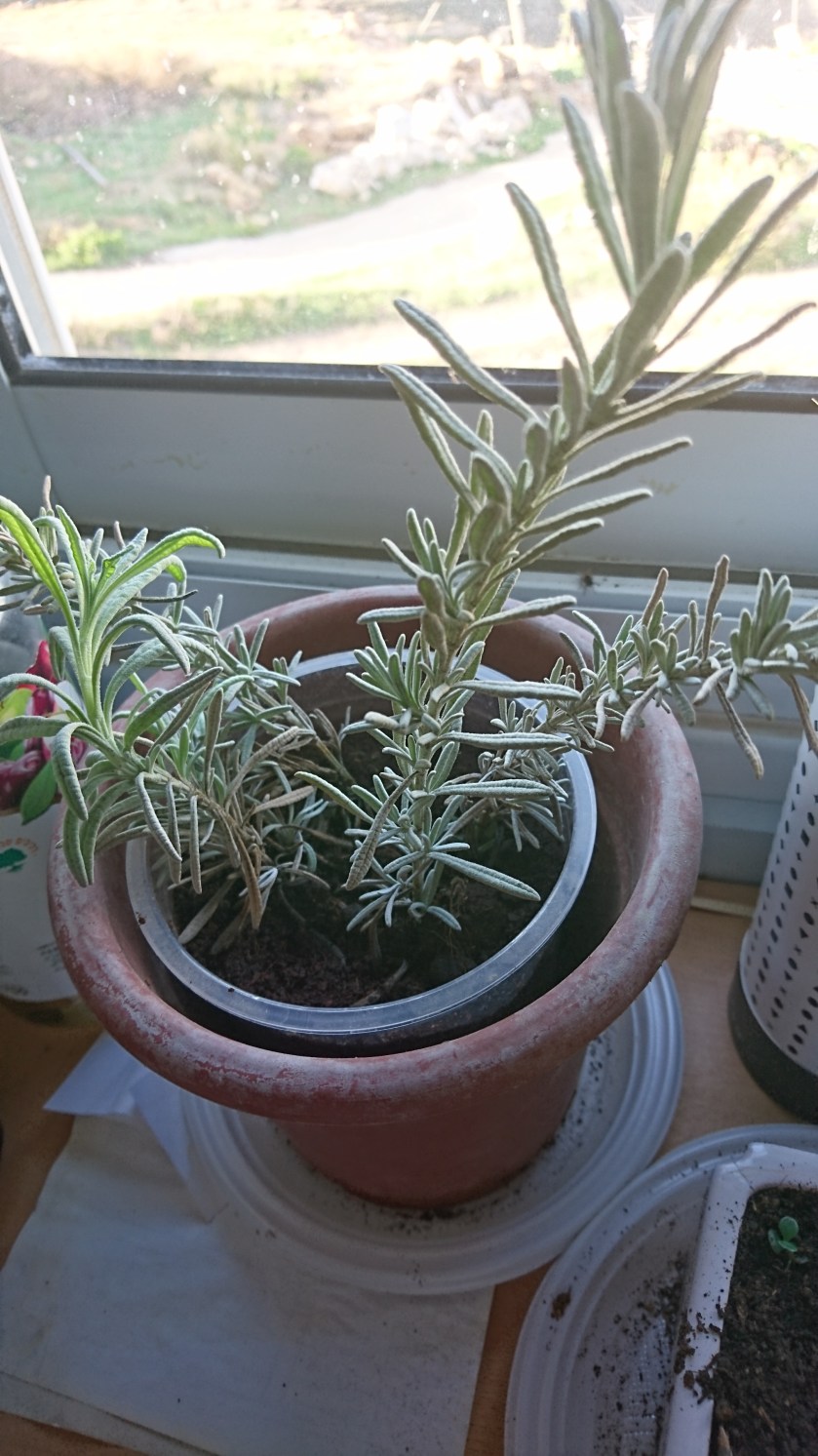
You can grow lavender from seed or from cuttings. When choosing cuttings, make sure they are green and fresh, and have no blossoms, as those will divert the plant’s energy from developing roots.

I have tried to propagate lavender in the past by taking cuttings, placing them in a container of water and waiting for them to put out roots, but it never worked (unlike it did with mint and rosemary), but recently I have stumbled upon a much simpler and more effective method: just stick your cuttings in a flower pot with potting soil, place it on a sunny windowsill, keep the soil moist, and the cuttings will take root before long. Once the weather is warm enough, you can transfer your plant outside – around here, this is year round, and my herbs all grow perennially.
Finally some rain

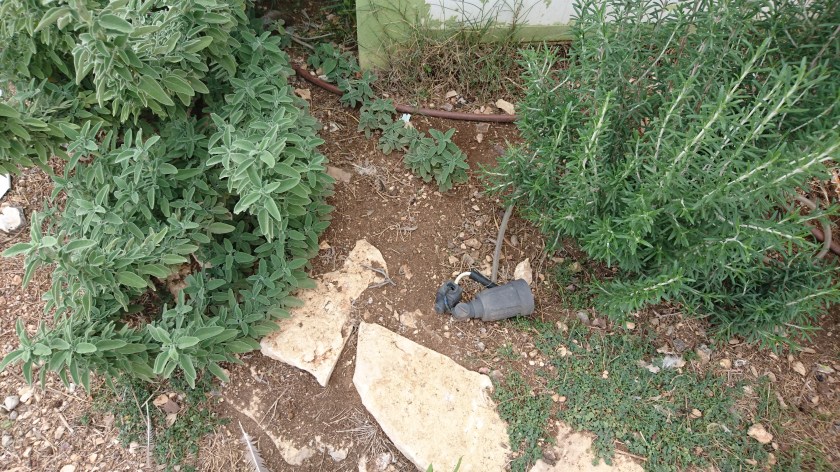
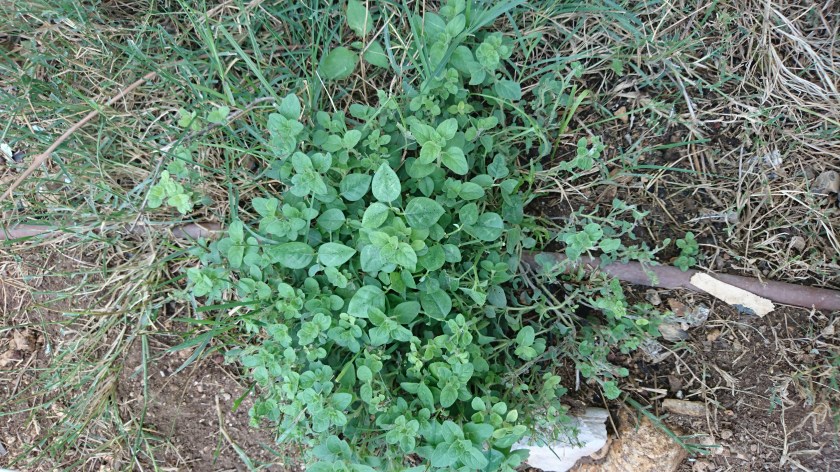
We finally have had some rain, and my little herb garden is really happy.

DSC_0411

Rosemary and sage – it has taken them a while to begin spreading, but now they are thriving.

DSC_0412

Hyssop – much better fresh than dried.

DSC_0413

And mint. It’s really about to cover the whole patch!

The fading summer

A nostalgic post from our old home – a look at our then-garden:

It’s time to take another stroll and feel the strengthening winds of autumn. Pick up some herbs for herb tea…

Look at some of the young trees hopefully awaiting the next season of life and warmth to bear fruit…

And see how the grape vine is waving goodbye with leaves that are falling one by one.

Yes, I know that some of our friends overseas are already shoveling snow, but for us it’s barely fall, and I’m looking forward to cooler weather, rain, and winter flowers.

One afternoon in the garden

It’s summer… warm, lovely summer with long days, homemade popsicles, water balloons, and everything growing like mad.

As you can see above, our sage plants, after a long latent stage as poor little sticks, have grown to be mighty bushes. And our tomatoes, though still green, are already very promising. I also put in some new pepper plants.

Here is also one very annoyed mama hen. Doesn’t her whole attitude speak very plainly: “Do not get close to my chicks, or else?” After a heartbreaking result with our previous batch of chicks – some sort of predator dug its way into the coop and just made off with all our chicks, plus two of my favorite chickens, leaving absolutely no trace – I spent hours reinforcing the base of our coop with local rock. I know pouring concrete around the base would have been more effective, but we just can’t afford this right now.

Anyway, we now have fifteen new chicks, and I’m keeping my fingers crossed. I hope we can raise them into nice stock of pullets who will lay plenty of eggs for us in a few months.

Improving your soil

yourownhands2copy

We don’t have ideal soil – to put it mildly. It is heavy and has a high clay content; it’s muddy and slippery in winter, and sticks to rubber boots until we have clogs so heavy we can hardly lift our feet. Once the rainy season is over and it dries up, it becomes rock hard. Oh, and it’s also full of actual rocks, large and small, which makes clearing up space for a garden bed one challenging job. Using raised beds with imported high-quality soil has been great, but would I like to have friendlier soil all over our property? Sure!

Read more in my latest Mother Earth News post:

“Practically any soil – whether it’s sandy, or has a high clay content, or is somewhere in between – can benefit from generous amounts of organic material being worked into it. Back when we used to keep goats, there was a place in our yard with plenty of brush that needed to be cleared and I often tethered the goats there. Apart from the brush it was pretty arid, but next year, beautiful tall lush grass sprung up there as if by magic. It was goat manure, left over winter to rot and decompose, that did the trick.”

Weeding Made Easy

tomatobed - Copy

Do you have a least favorite garden chore? Mine is probably weeding, but with raised beds, things have been a lot easier for some time now. Read more in my latest Mother Earth News post:

“The best time to pull weeds is after a good rain, when the ground is nice and soft. Once our ground dries, it gets the consistency of hard clay and weeding becomes increasingly difficult. This doesn’t go for the raised beds, of course, which are always kept nice and fluffy. I have taught my kids to always give the beds a quick look-over and pull up every tiny weed they can find – sometimes we even make a contest as to who pulls up most.”

Keeping chickens significantly reduces weed level as well (one of the many benefits of having our feathered friends around!). Also, things do get better with each year that passes one the same plot, if you are diligent and pull up young weeds without letting them go to seed. When I look at our yard today, I actually think to myself, “wow, this looks almost well-kept considering to what it was two years ago!”

Growing Fenugreek from seed

DSC_0181

A few months ago I thought I’d try to sow some dry Fenugreek seeds from the store as an experiment, and they thrived in a sunny spot in the garden during the winter and spring. Yesterday, as the plants were already exhausted, I pulled them up and sowed some beans instead.

Fenugreek seeds grow in pods, much like peas and beans, (though the pods are smaller, of course) and can be eaten both fresh and dry. The plant has many beneficial properties, among them lowering blood sugar and stimulating milk production in nursing mothers. The dry seeds can be soaked and made into hilbe spread, after the Yemenite tradition, and also added to soups and stews.

For more information on using Fenugreek, read here.