I’ve long since accepted that I belong to a family of pack rats who LOVE to accumulate stuff and find it extremely difficult to part with anything, from old T-shirts to frayed sheets or multiple dog-eared copies of the same book.
There are many days when I’m tempted to just pick up a large garbage bag and start chucking stuff into it. I fantasize about how much easier the house would be to clean and maintain in order if it contained 80% fewer things.
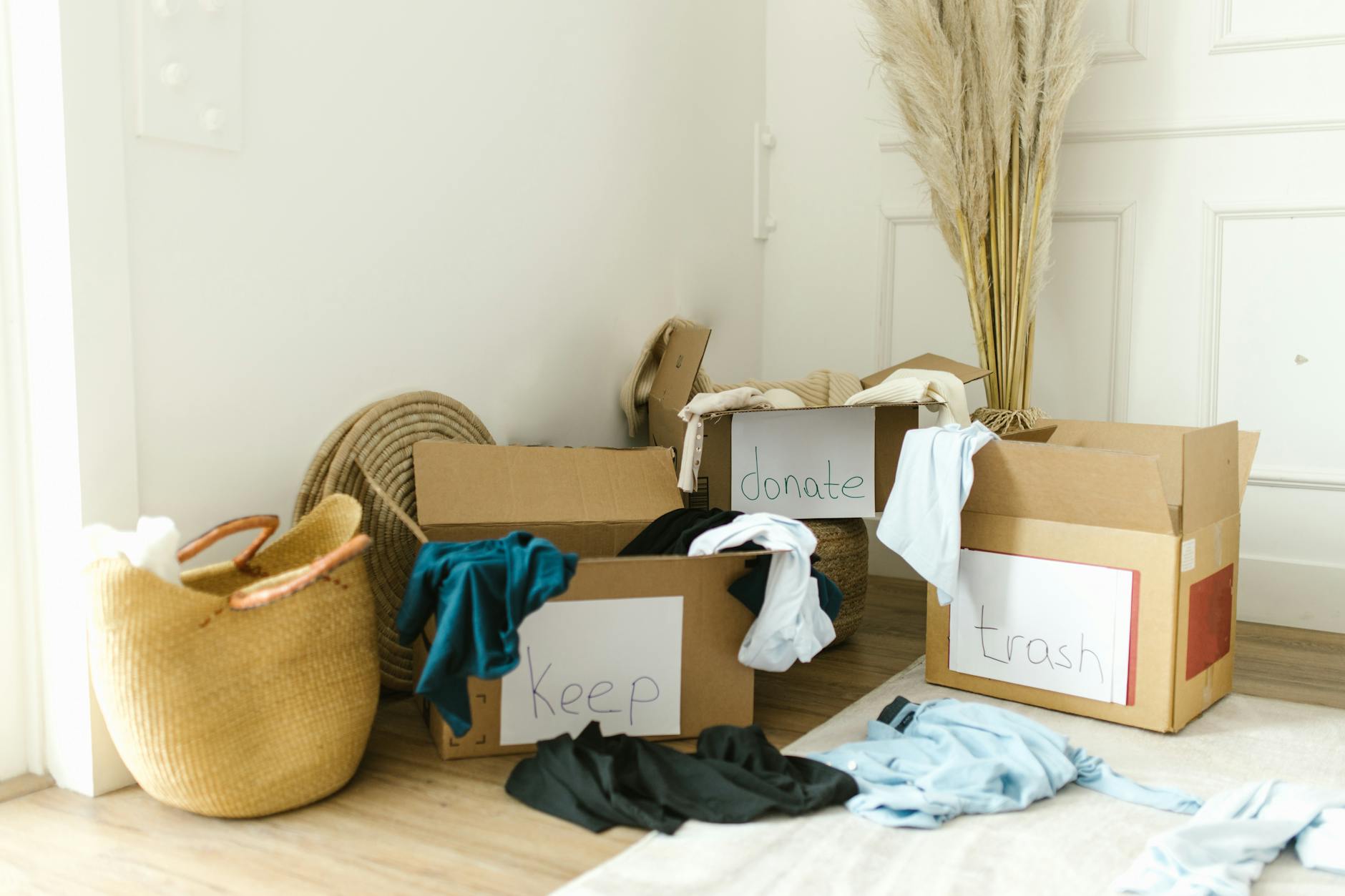
Unfortunately, trying something like this around here would start a full-blown war, so I’ve come up with a compromise that preserves my sanity while avoiding conflict: find one item, every day, that you can get rid of without regrets.
It can be anything: an empty perfume bottle, an ancient set of dried-out acrylic paints, a pair of shoes that pinch just a little (and that, if you’re honest with yourself, you know you’ll never wear). This strategy amounts to hundreds of unnecessary items a year, out of your house and of your life. And often, you’ll spot more than one thing you can toss.
On another note, today marks the release of my 20th fiction novel: Lethal Water, book 2 in the Storm of Elements steampunk-y fantasy series. A decade has passed since I self-published my first novel, after snatching away an hour here and there on the family’s clunky desktop while my kids were asleep. Here’s to many more exciting stories to come!
Recently, I’ve been browsing quite a lot of the AITA subreddit. You come across some interesting stories, like this take from a stay-at-home mom:
“It’s the hardest, yet most rewarding job in the world. It is work though and I feel like I should get at least some compensation for all that I sacrifice. My husband doesn’t feel that way at all, though.
I decided to draft up a list of the stuff that I do around the house. Daycare, cleaning, cooking, etc., and after the tykes were put down I presented it to him and explained that I would like to be have a separate bank account and be paid (min wage). I figured that was completely reasonable, but apparently not.”
So… should stay-at-home moms be paid? I don’t think so.
Now, I’ll be the first to admit that SAHMs are often taken for granted and not appreciated enough, even by themselves. I remember myself as a young mom with two toddlers, milk goats, a bunch of chickens, and a dog to take care of, constantly questioning whether I’m doing enough. Which, now I think about it, was crazy and kind of sad.
I also know from experience that stay-at-home parents are vulnerable and disadvantaged financially. It’s not just about the money you don’t make while you dedicate yourself to raising your children. It’s about employability. While you’re busy changing diapers and picking up toys, your professional qualifications are slipping away. Any degree you have might become less relevant with a ten-year gap on your resume. If you ever seek paid work again, you can’t pick up from the point where you left off as a college graduate or young professional. You have to start from scratch, and no one will be lining up to hire you.
Still, I don’t believe a stay-at-home mom should get money from her husband. I find this degrading. It reduces their relationship from life partners to boss-employee.
A husband and wife are one unit. Any money that one of the spouses makes belongs to both, and both should have equal access to the bank account unless there’s a good reason to do otherwise. The law agrees: in divorces, money earned by either spouse during the marriage is typically considered community property.
The stay-at-home mom from the Reddit thread above has access to the family’s money, but said she feels guilty using it for “stuff that’s just for me, like manicures or going out with my friends.”
This, I think, is the core issue here. Provided manicures and occasional outings are within this family’s budget, the mom should feel zero guilt giving herself these little pick-me-ups. She is an equal partner in the household, and shouldn’t need pin-money from her husband to validate that.
Of course, this raises questions. Has the husband ever made her feel bad about spending money on herself (as long as she doesn’t overspend)? Is he a financial control freak? Or does she simply feel uncomfortable using the money she didn’t put into the account? That’s the matter they should discuss and resolve.
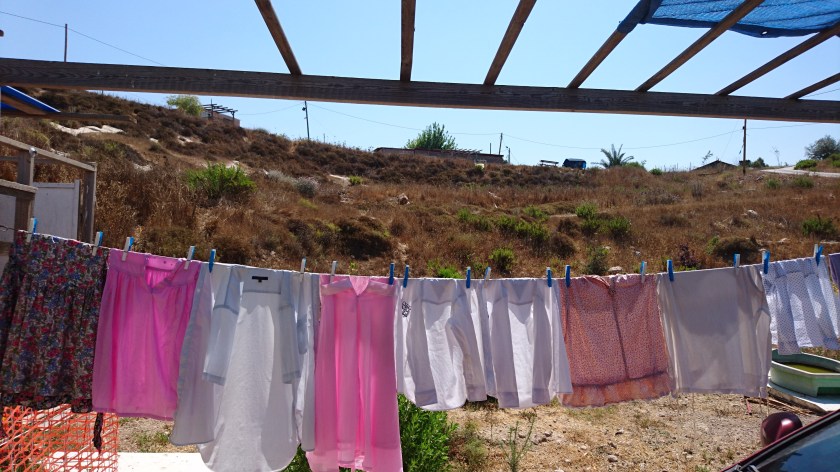
Every winter, I think that maybe it’s time to finally splurge on a dryer. And every year, by the time I’ve almost decided to take the plunge, the rainy season is over and I can happily go back to this:
I’m lucky enough to live in a dry climate with plenty of sun and whole seasons without rain. But when it rains, I have to resort to indoor drying racks, which can be extremely annoying. Washing bedlinens usually waits for good weather days.
Here are a few tips to make indoor air drying more effective:
One, place the clothes with as much space between them as possible to help air circulation. I often use two racks when I could fit everything onto one, because clothes dry faster that way.
Two, go back after a few hours to a day and flip the clothes over to the other side on the rack. Yes, it’s a bit of extra hassle, but it speeds up drying.
Three, if space allows, place the drying rack in a room that you’re heating anyway. It will add moisture to the air, and your items will dry more quickly.
Finally, a bit of foresight: I love natural fabrics, but during stretches of rainy weather, we often wear synthetics. Synthetic materials dry in a flash, while my favorite cotton long-sleeved shirts can take almost a week to dry indoors completely.
And, of course, make sure you have enough changes of socks, pants, and other items, especially for kids. Young kids aren’t terribly careful with keeping clothes out of mud and puddles.
Fall is here, and we all know what this means: fewer eggs for the next several months for us backyard chicken keepers.
I don’t use artificial lights in the coop and let the girls get some well deserved rest. Since I usually prefer to go without than buy eggs from the store, I tend to choose recipes that call for fewer eggs – or use creative substitutes in baking.
When it comes to baked goods, eggs basically add three things: moisture, cohesion, and fluffiness. If you just omit eggs, a cake will likely fall apart or be too heavy. Fortunately, you have several substitute options.
#1 Nut butter or tahini. Peanut butter, almond butter, and tahini will bind your batter together and add a delicious earthy flavor.
#2 Applesauce. This classic substitute for eggs adds a lot of extra moisture.
#3 Banana. Mashed banana acts similarly to applesauce – but that banana flavor definitely comes through!
#4 Ground flaxseed. I’ve yet to try this, but many foodies suggest grounding flaxseed or chia seed with a bit of water to create a sticky paste you can add to baked goods in place of eggs.
#5 Aquafaba. Now THIS is something I’m definitely going to try at the first opportunity. Rumor has it that you can whip the liquid from a can of chickpeas, and that it acts similarly to egg whites. I’ll let you know how it works out for me!
In the meantime, I’m wishing everyone a happy fall – and a happy new year and Gmar Chatima Tova to all my Jewish readers.
You guys, it’s that time of the year again. Purim behind, Pesach ahead. I have this itch to throw out half of our stuff and scrub the rest. Plenty of good intentions, though they don’t always come to fruition.
I made a big master list and just read some useful tips to remind myself not to sweat it. I won’t disclose everything I still have to do, but here’s a partial list of what I’m glad to say I WON’T do, at least not before this crazy messy holiday is over:
Sorting through closets
Cleaning windows
Yard work
Painting dirty wall and ceiling sections
Deep-scrubbing the bathtub
Repeat after me: Pesach cleaning is not spring cleaning. Dust is not leavened bread. Clutter is not chametz.
The kitchen is the real challenge. The lady from the link I’ve shared above says cleaning out and prepping the kitchen for Pesach only takes a day. That may be possible if you have a whole day free, tons of energy, and no kids at home. Personally, I have a big kitchen with lots of storage spaces and nooks and crannies. I also have to stop to eat and rest from time to time. I typically set aside a day just to clean the refrigerator.
At least I’m learning from year to year. For me, the biggest challenge is the couple of days when almost everything – the stove, the refrigerator, the counters – is already clean, but it’s too early to take out the Pesach dishes and start using them. So I’m sort of in a limbo where I can’t cook at all, and sitting on the front steps and eating sandwiches gets old eventually. There’s no time to figure out anything decent to eat.
Last year, eventually, I was just so HUNGRY. So were the kids. I called to order pizza (something I never do) and it turned out they were too busy to do deliveries. I could have cried. We ended up eating instant noodles.
So, this year, my challenge will be to stock up on nutritious snacks and food for those critical couple of days before the kitchen makes its yearly transition.
Oh well, we’ve made it before and will make it this year too. Happy Pesach/Spring cleaning, everyone!
I love a bit of shopping as much as the next person – especially if it’s thrif shopping. In fact, it’s thrilling to know you’ve scored and got a quality item for a fraction of the price. I have a pair of knee-high genuine leather boots, which I got for about $20 in a second-hand store and wear almost every day, every winter.
But here’s the problem with shopping, even and especially when you get a great deal: we all have limited space on our shelves and in our closets, and no one wants their house to look like something that belongs in an episode of Hoarders.
Cue a simple but effective rule I’ve been implementing lately for purchases that aren’t absolutely necessary: one goes in, one comes out.
Here’s how I do this: if I consider buying a pair of shoes for myself or my kids, I challenge myself to go over all our shoes and part with at least one pair. It can be something that doesn’t fit anymore or just something that hasn’t been worn in a while.
This actually works great, because:
a) I put stuff in order as I go through it
b) I keep the house from being overrun by surplus items (does stuff breed when I’m not looking, or what?)
c) As I go over our things, I usually find more than one item we can do without, so it usually ends up being “one goes in, two or more go out”
These days, I apply this rule to pretty much anything: clothing, toys, books. With items that get used up, like art supplies and yarn, I adjust the rule to “finish one, then buy another”.
So that’s my current strategy. Rather than do one big seasonal declutter, just keep clutter from accumulating as much as you can.
I’ve always considered myself a fairly eco-conscious person. I line dried, hand washed, repurposed, and tried to minimize the use of disposables. With one exception: plastic tablecloths for the Shabbat table.
I sort of felt I gamed the system when I spread out that transparent rustling sheet of plastic over my table. I didn’t need to worry about spills. Cleanup was a breeze. And I could still see my pretty cloth tablecloth through the plastic.
No, I didn’t feel too good about myself when it was time to shove that giant wad of plastic into the trash can. But I told myself, “You do enough laundry. You have tiny kids. You’re just surviving.” It was that word, “surviving”, which I used to justify a lot of lack of effort in many areas.
I could, of course, put on reusable waxed tablecloths, but there are limitations to cleaning on the Shabbat. For example, you can’t clean with a cloth and then wring it.
Then, one day, we switched to buying a long plastic roll rather than individual pre-cut pieces to save money. The problem is, you need to cut your plastic cover before the Shabbat, and if you forget to do that, too bad.
One such time, I nearly threw a fit when I realized that I’ll need to use cloth tablecloths and wash them. We lived in an area where we’d regularly get stuck without electricity or running water for days. But I still couldn’t help noticing how much nicer it was to eat without touching plastic with our hands and elbows.
I still wasn’t ready to give up on plastic table covers because of the aforementioned patchy utilities. There were many times when I delayed washing the dishes and was stuck with a full sink for three days. But when we moved, I no longer had to obsess about getting every load of laundry or stack of dishes done as soon as possible.
Then I started ghostwriting for one eco blog, which really got me more aware of how harmful plastic actually is and how important it is to minimize its use. I decided to lay my Shabbat cloth with no cover.
All in all, I needed three cloths for the three Shabbat meals. They took about half a load in the washer. And there was not a single stain, despite multiple spills of oil, wine, and tomato sauce.
For over a year now, I haven’t looked back. I just took my three favorite tablecloths off the line. They are perfectly clean and smell delicious – and they are ready to go on the table tomorrow night.






 Domestic Felicity