Hand-raising baby chicks

brahma cross baby chick

There’s something comforting, in the middle of winter, in planning on running the incubator and raising baby chicks that will be let out into the great outdoors once the warm weather comes. It’s a bit like browsing a seed catalog while a winter storm is howling outside.

I can tell you there are some breeds I can’t wait to get my hands on – start a pure-bred flock of Marans or Speckled Sussex, and look forward to the possibility of obtaining some good-quality eggs from breeders I know, in a month or two. Read more in my latest Mother Earth News post:

“We are big proponents of breeding and raising chicks the natural way, with broody hens, but sometimes running the incubator or ordering a batch of baby chicks can have definite advantages – such as, for example, the ability to monitor valuable eggs extra carefully, and to give your flock a head start in the spring. If you are not averse to the idea of keeping chicks indoors for a few weeks, your February babies may well be ready for the outdoors as early as March or April, depending on your local weather – at about the time when your hens are just thinking of getting back to laying.”

Garlic: a wonderful natural remedy

Image result for garlic

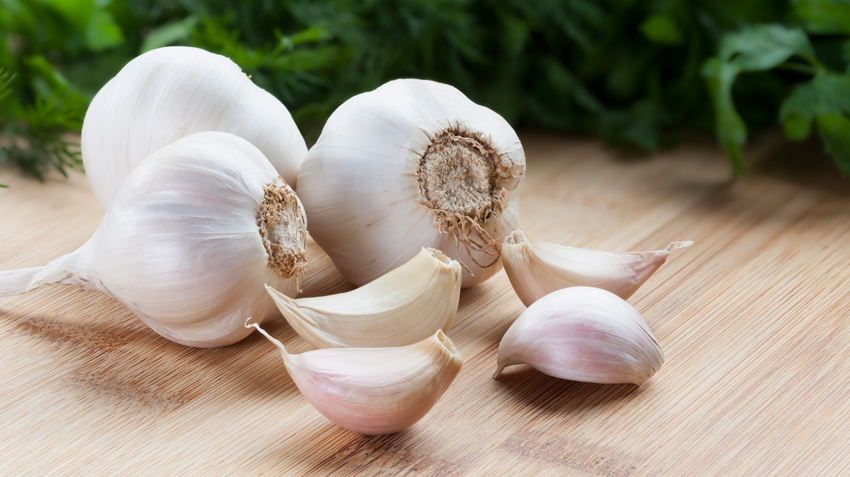
The anti-inflammatory and health-promoting qualities of garlic have been known for thousands of years, and we include fresh crushed garlic in many sauces, spreads, dips and salads that are served around here. Recently, I have taken this a step further and began using garlic to promote the health of my poultry.

Read more here:

“It’s surprising that I didn’t think twice before giving my young peafowl antibiotics in increasingly strong doses for persistent respiratory symptoms. The birds, however, not only didn’t get better, but appeared weaker. An experienced friend whom I consulted recommended that I discontinue the antibiotics as they most likely have compromised the immune system of my peafowl, regardless of the initial complaint, try giving my birds fresh garlic, and observe the effects. Anxious to strengthen their immune system before the winter, and not seeing much to lose, I decided to give it a shot.”

Raising heritage chicken breeds


Prior to our Great Chicken Adventure, I was utterly unaware of the wealth of heritage breeds out there, with their variations of size, shape, color, plumage, temper, and various characteristics. A chicken is a chicken, I figured; any will cluck and lay                   eggs – so why invest in heritage breeds?

Read more in my latest Mother Earth News post:

“Unlike hybrids, pure-bred heritage chickens breed true. If you start with a flock of, say, Wyandottes, a few years down the road you will still have a flock of Wyandottes, with largely the same qualities of egg production, growth rates, adaptation to climate, and appearance (though you can improve your flock by hatching eggs from your finest, best-looking, hardiest specimens). With mutt chickens, you can always expect surprises.”

Choosing a Chicken Breed

Our chicken-keeping adventure has lasted for some years now, and during this time we have learned a great deal, met some wonderful new friends with whom we bonded over this common interest, and stopped making a fuss over stepping in bird poop. We have even gained the status of something like chicken experts in our local community; but still, when people ask us, “which breed of chickens should I choose?” more often than not we can offer no better answer than “it depends”.

Read more in my latest Mother Earth News post:

“Whichever breed you choose, make sure you get your stock from a reputable hatchery or private breeder. This is the only way to guarantee you get healthy birds (or fresh, good quality hatching eggs) that come from pure bloodlines. Don’t be tempted by unusually low prices, and shun places where birds are kept in substandard conditions, or are looking sickly.”

Chicken Behavioral Problems

Above: a photo of one of our roosters strutting around. This guy has been occasionally known to have some attitude problems, which are quickly adjusted by a well-aimed sweep with a broomstick. Some roosters are a lot more troublesome, however, and may be found incompatible with the backyard flock owner seeking a quiet, peaceful life.

Admittedly, roosters are often the more problematic part of the flock, being noisy, territorial and sometimes aggressive. It is no wonder that the English language boasts of expressions such as “being cocky”. However, I also believe that at least half of all the behavioral management programs in backyard chicken flocks – whether it’s excessive pecking, aggression toward humans or extreme flightiness – can be dealt with by choosing the breed that suits you best.

Read more in my latest Mother Earth News post about chicken behavioral problemsPredators, pests and diseases are not the only challenges a backyard flock owner will have to deal with. Sometimes the problems are originated in the flock itself, and solving them involves lots of creativity, ingenuity and even diplomacy.

Rid your chickens of scaly leg mites

brahmascopy

Those of you who aren’t chicken keepers (and maybe some of you who are) are lucky enough not to know about scaly leg mites, but in our flock they have been a veritable scourge, and extremely labor-intensive to take care of, until I stumbled upon a simple and effective remedy.

“Scaly leg mites are parasites that lodge and reproduce underneath the scales on chickens’ legs. This results in a typical look of uneven, crusty, deformed scales, and can lead to impaired walking, infection, loss of toes and, in extreme cases, even death.

Most home treatment options for scaly leg mites suggest dipping the bird’s legs in mineral oil or petroleum, and then slathering them in Vaseline. The goal of this is to smother the mites. The treatment is then repeated after an interval of a week or two, to take care of the nits that might have hatched in the meantime.”
But, as I said, I’m using something a lot simpler and no less, possibly more effective now. Read more in my Mother Earth News post.  

One afternoon in the garden

It’s summer… warm, lovely summer with long days, homemade popsicles, water balloons, and everything growing like mad.

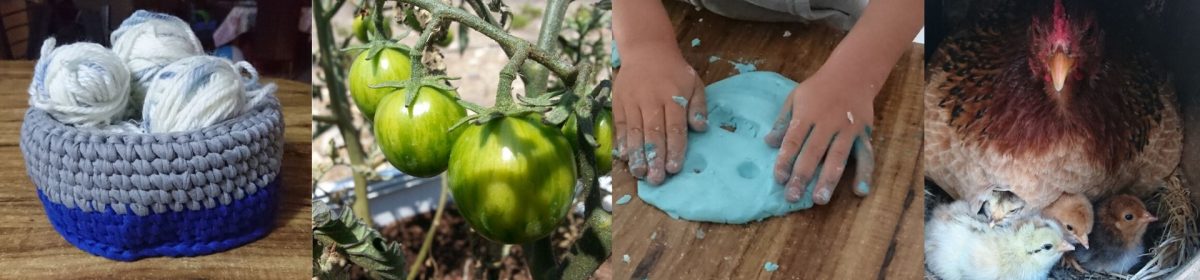
As you can see above, our sage plants, after a long latent stage as poor little sticks, have grown to be mighty bushes. And our tomatoes, though still green, are already very promising. I also put in some new pepper plants.

Here is also one very annoyed mama hen. Doesn’t her whole attitude speak very plainly: “Do not get close to my chicks, or else?” After a heartbreaking result with our previous batch of chicks – some sort of predator dug its way into the coop and just made off with all our chicks, plus two of my favorite chickens, leaving absolutely no trace – I spent hours reinforcing the base of our coop with local rock. I know pouring concrete around the base would have been more effective, but we just can’t afford this right now.

Anyway, we now have fifteen new chicks, and I’m keeping my fingers crossed. I hope we can raise them into nice stock of pullets who will lay plenty of eggs for us in a few months.