Easy, refreshing mango ice cream

Photo by Drift Shutterbug on Pexels.com

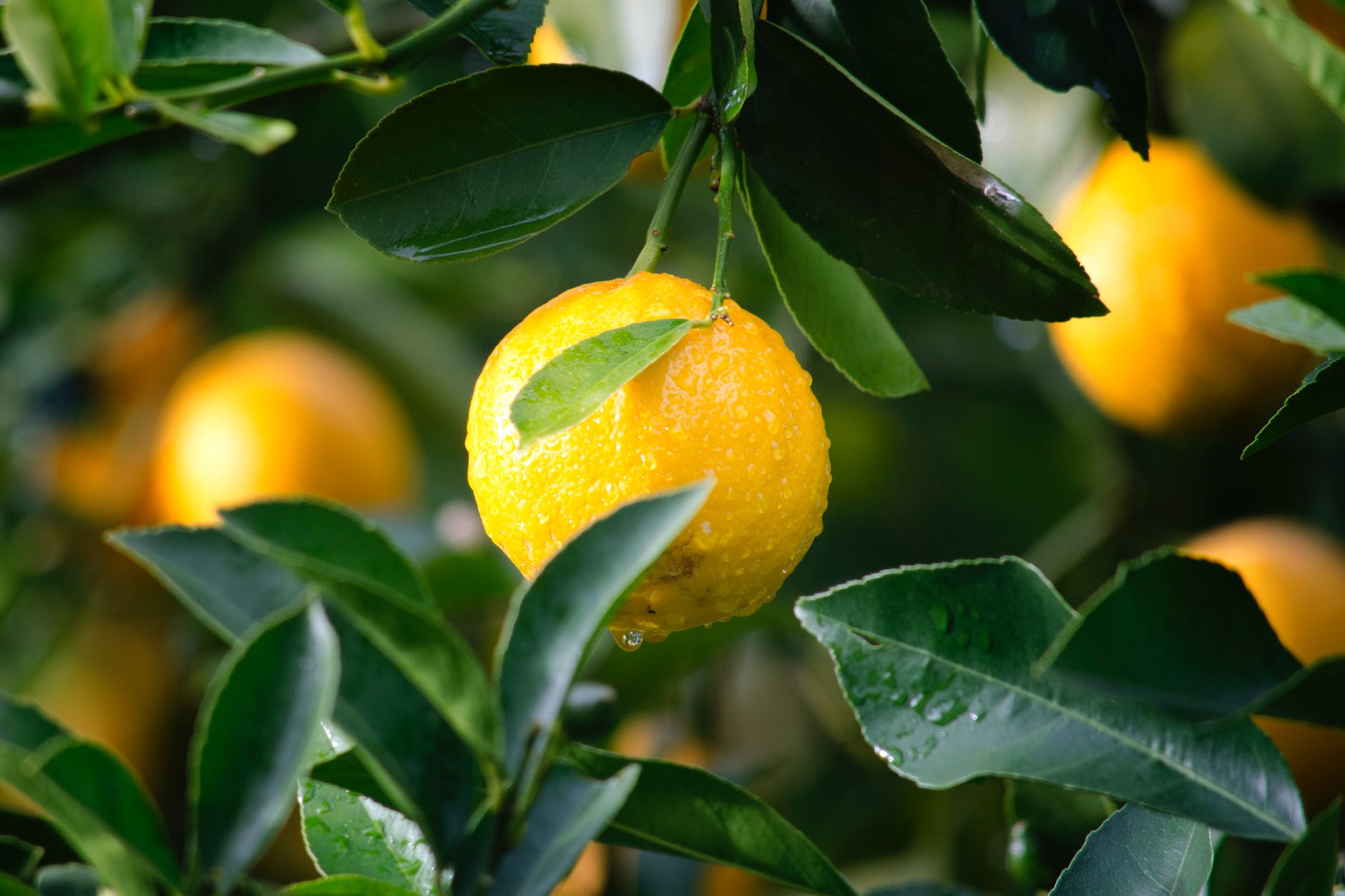
Our mango tree yielded a surprisingly large crop this summer (photo not mine, as I didn’t snap a picture of the mangoes before processing them), and there’s only so much mango you can eat. So, I sliced and froze a batch, and on one hot afternoon, I decided to experiment and make mango ice cream.

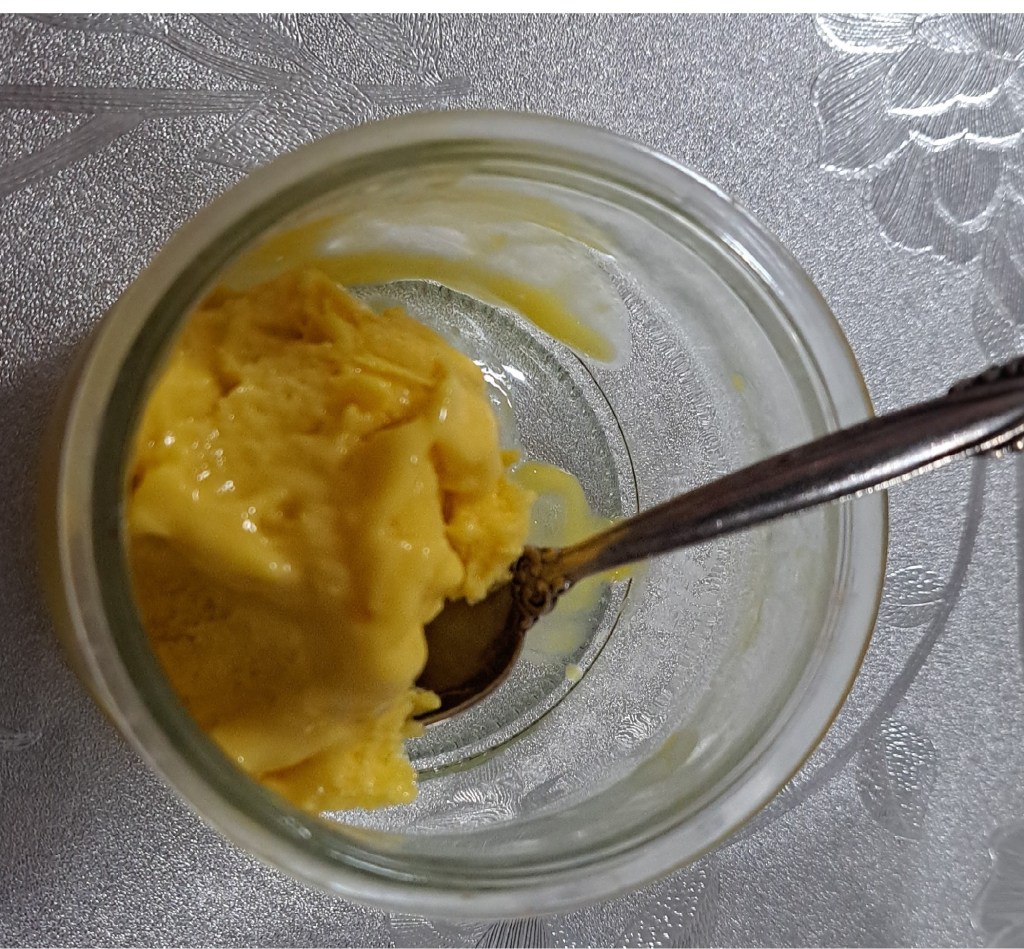
The result was an absolute hit: refreshing, creamy, and quick to make. It contains only three ingredients and is all-natural and vegan!

You’ll need:

  • About 2 cups of mango slices/cubes, peeled, either fresh or frozen
  • 1 cup of coconut cream
  • Your preferred sweetener to taste (I used brown sugar)

Blend all ingredients together until thoroughly mixed and smooth. You may need to wait for your mango to thaw if you’re using frozen fruit. Pour into a container, pop into the freezer, and stir about every 30-60 minutes to keep ice crystals from forming.

Scoop and enjoy! If the ice cream is too solid, let it thaw a bit.

I haven’t tried this yet, but I imagine it will also work great with berries, bananas, peaches, passionfruit, or a combo of the above.

Mulberry bonanza!

Late spring/early summer is when mulberry trees deliver the good stuff. My kids love picking the sweet, intensely purple berries, but this year was the first time I discovered the leaves were edible, too.

I cooked them a la stuffed grape leaves, picking ones that were big enough to stuff but young and tender enough so they wouldn’t be too tough and fibrous. You also need to prep them by boiling for about two minutes to make the leaves pliable enough to work with. Don’t overboil, or you’ll end up with a mushy mess on your hands!

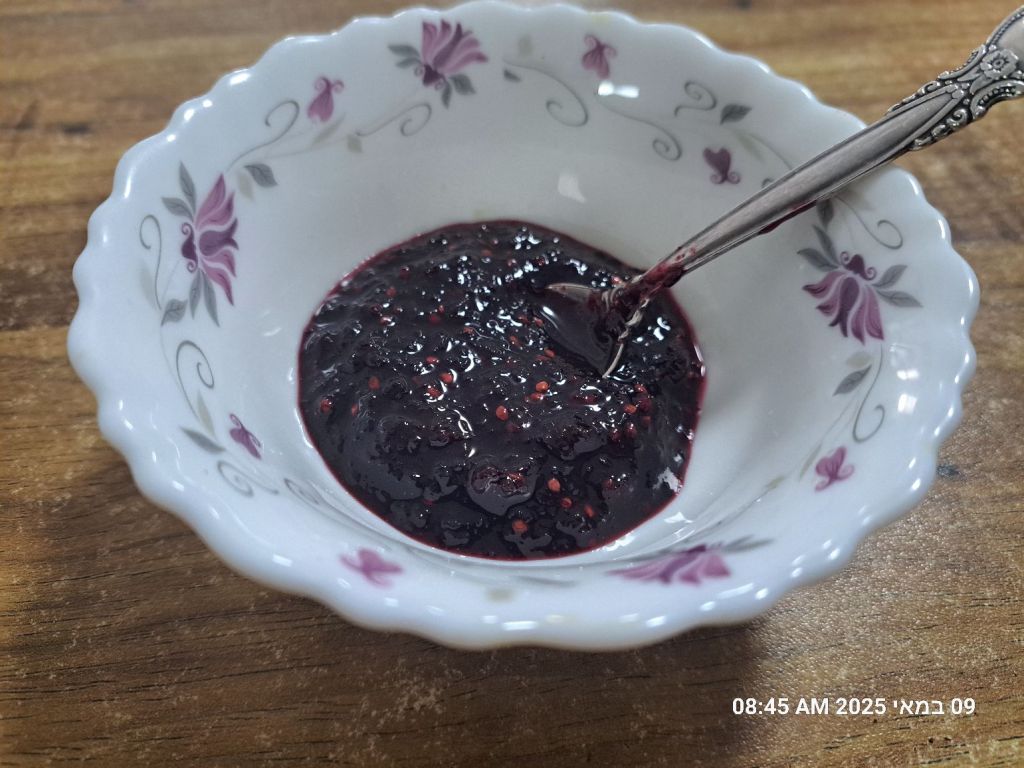
We also had enough berries to make jam this year. If you try it, just be aware that mulberries STAIN big time: kids’ hands, clothes, kitchen towels, work surfaces. I later discovered purple fingerprints on the refrigerator handle.

Mulberries don’t have a lot of pectin, so you either need to add some or boil the jam for a long time to thicken it. I happened to have a pomelo on hand, so I chopped up some of the white spongy pith, stuffed it in a couple of muslin bags (the ones I typically use for teas), and let it cook together with the jam. I also added some lemon juice. It set pretty nicely after cooling.

I forgot to remove the stems, which isn’t a disaster, but can influence texture. A quick whir in the blender solved this problem. Yum!

Success: growing new fruit from a pineapple top!

Pineapple is one of my favorite fruits. Ironically, I first tasted fresh pineapple only a few years ago: when I was growing up, I only saw it canned or dried and overloaded with sugar. So, of course, when I heard that you can actually grow a new pineapple plant from the top, I had to try it (especially since pineapple is among the pricier stuff in the produce aisle!).

First, choose a pineapple with a healthy-looking crown firmly attached to the top. This is really important: the new plant can’t photosynthesize or form roots without existing top leaves. Avoid pineapples with dried-out, browning leaves or signs of rot near the base.

Chop off the top close to the leaves. Some methods suggest rooting it in water, but I simply placed the top in potting soil, covered up to the base of the leaves, and kept it moist. In a few weeks, it took root and I could see new leaves beginning to form.

I kept my plant outdoors, but if it’s too cold for a pineapple in your area, it also makes a pretty houseplant. It’s also a fun project to do with kids.

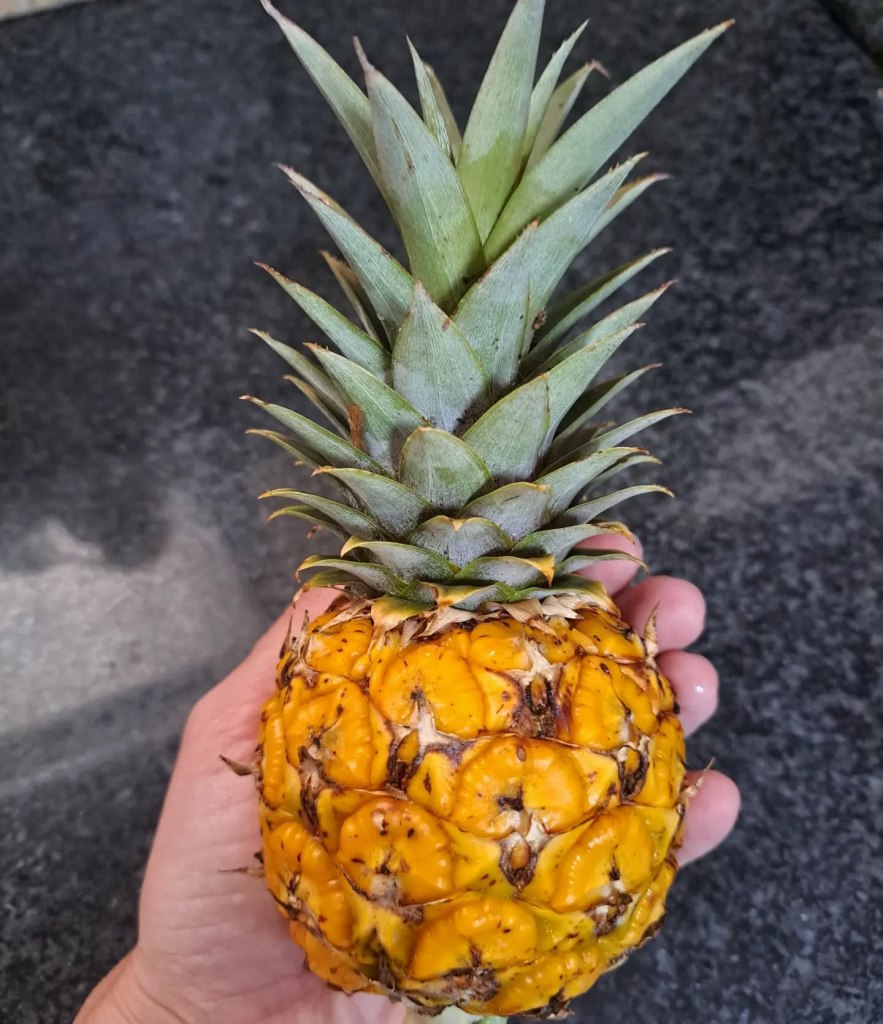
Most guides that discuss growing pineapples this way mention that you should only expect fruit after two years or so. However, our pineapple gave us fruit in under a year! It was pretty small (as you can see in proportion to my hand), but the most delicious I ever tasted: juicy and very flavorful.

6 great reasons to grow geraniums

Spring is here, which in Israel means a brief respite of pleasant weather before a 6-month stretch of unbearable heat. But my geraniums won’t mind: just give them enough water, and they’ll thrive through the summer.

That’s reason one why I love geraniums so much. They’re hardy. I don’t do well with any plants that are too delicate or too particular about their growing condition.

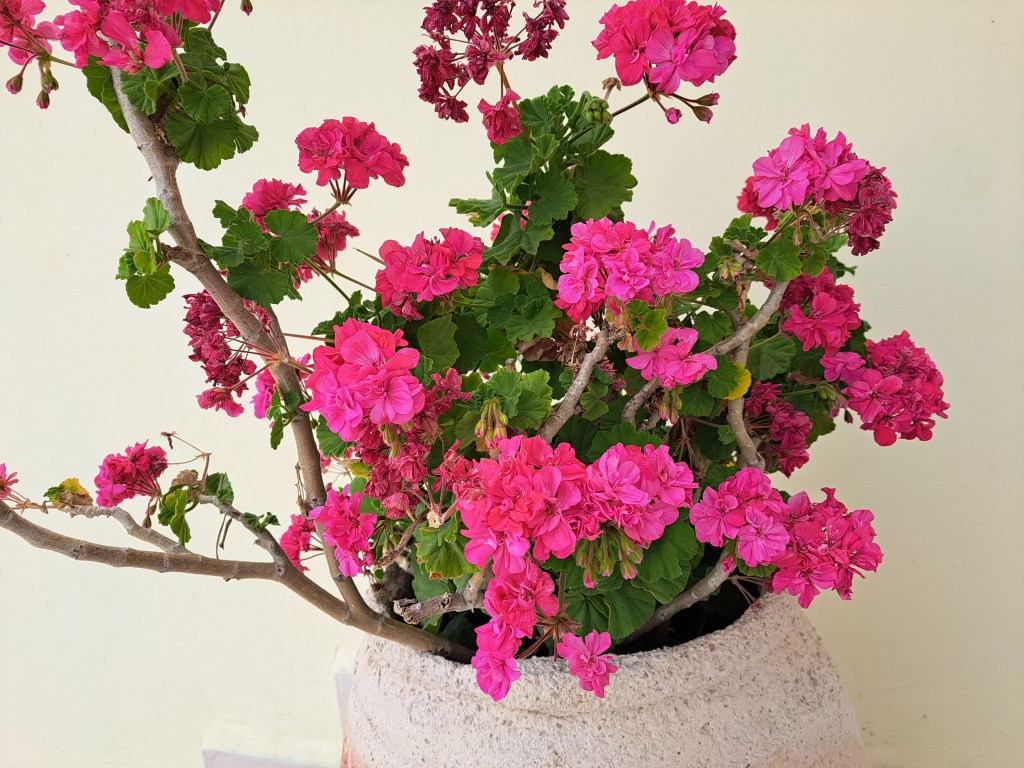
The second reason, which should actually get a bump up to the top of the list, is the color. Geraniums add the most vivid splashes of color to any flowerbed or balcony. This hot pink you see above is my favorite, but you also get orange, red, pale pink, and other stunning color variations.

Third, geraniums smell great, especially rose-scented geraniums like the one here:

I keep mine in a cage because the chickens really love to snack on it, but I’ll soon need to find another solution because it grows really fast!

Reason four, geraniums are super easy to propagate. Just stick a cutting in damp soil and keep it moist:

You can make lots of cute geranium seedlings to give as gifts or sell.

Five, geraniums make a wonderful refreshing herbal infusion that is great for colds, inflammation, or immune system reinforcement.

Six, geraniums repel insects. Plant some and enjoy fewer mosquitoes in your garden on hot summer nights.

Did I forget any perks of this popular plant? Tell me in the comments!

Why destroying free food sources is a bad idea

When food prices soar and people are struggling to maintain food security, those who annihilate free food sources completely miss the direction the wind is blowing.

Photo by Ryan Baker on Pexels.com

Right next to our home, there was an old, abandoned-looking little house with several lovely orange and lemon trees. Its elderly owner had moved to a long-term care facility and let the neighbors know they could pick the fruit to their heart’s content. We’d carefully step over the sagged low fence and bring home bags of lemons and oranges.

Time passed. Not long ago, the elderly homeowner passed and his heirs put the house up for sale. An enterprising young couple bought it, divided it into two sublet units, and cut down the beautiful old trees.

My heart broke when I saw the lush green branches being dragged to the waste disposal and left there to wait for the municipality’s truck. My kids, who saw it too, nearly cried. We stopped next to the branches for a while, picked a few last oranges, and said goodbye to the tree that had given so much to so many people over the years. Today, I saw they were preparing to pour concrete over the place where the trees had stood.

It’s not the first time we have recently witnessed fruit trees being decimated. Just a few weeks ago, our municipality uprooted two ancient, magnificent trees from which people in the neighborhood used to pick olives every year. Some bean-counter must have decided that fruit trees aren’t worth their annual upkeep, like pruning or removing falling fruit.

Here’s what I think. I believe that when food prices soar and people are struggling to maintain food security, those who annihilate free food sources completely miss the direction the wind is blowing.

Luckily, we still have plenty of abandoned yards and public spaces where we can pick lemons, oranges, and tangerines. They might be smaller and have more pits than regular varieties you’d find in the store, which might be the reason why most people don’t bother with them, but they’re perfectly good for juicing.

In Judaism, fruit trees hold a special place and it’s generally forbidden to cut them down for no good reason. I think it’s one of the greatest pieces of wisdom in Jewish lore – the respectful, almost reverent attitude toward sources of food and life.

Why you should grow rosemary if you can

Rosemary is one of my favorite herbs. So hardy and easy to grow, and with so many uses. This native Mediterranean shrub thrives in bright sun and warm temperatures, so you should be able to grow rosemary in zones 8 and 9.

I love rosemary for its versatility. It’s great for cooking, has outstanding health properties, and requires little care and not a lot of water. Even better, bees love it, but chickens don’t like to eat it, so a mature rosemary bush can even grow in any place you use as a chicken run.

I use rosemary as a:

#1 Cough and cold remedy. Rosemary has antibacterial, antiviral, and antifungal properties. Just make some rosemary tea when you’re under the weather and enjoy it with a little honey. I find it helps soothe coughs and sore throats.

#2 Cooking herb. Rosemary really brings out the flavor of meat and fish; oven-baked salmon sprinkled with salt, coarse ground pepper, and rosemary leaves is my favorite.

#3 Lice and bug repellent. Rosemary’s pungent smell repels lice, mosquitoes, and other bugs. You can spray hair with a little rosemary infusion or dab some rosemary tea behind children’s ears to defend them against a lice infestation.

#4 Fragrance. I’ve added rosemary to home-processed soaps, sometimes combined with mint and eucalyptus extracts.

I got my rosemary plant from someone who simply cut off a branch and let it develop roots in water. I haven’t been very successful in rooting rosemary cuttings in water myself, but I’ve seen it work for other people. You can also buy a young plant from a nursery and add it to your herb garden. Rosemary takes some time to really start growing, but once it gets going, you may need to prune it once in a while to keep it from overrunning its space.

An oasis of sustainability

A thriving little urban garden

It used to be just a tiny synagogue with an empty dirt yard full of construction debris. Until one day I passed and saw that someone has cleared the trash away and began to make rows for planting.

Ever since, I have seen them often. They are a lovely older couple that had taken over this desolate little plot and have made it green and thriving. They have planted greens, herbs, squash, tomatoes, and young trees. And they work there every day without fail.

I’m so grateful to these people. They have shown that no plot is too small to work; every bit of unused urban land can turn into a little island of sustainability. And it doesn’t even have to be your own land.

As Naomi of Bloomah’s City Farm writes,

“Though I live in a regular Beit Shemesh apartment, there are so many budding opportunities for me to farm. I farm on my kitchen windowsill, in my storage room, on my porch, in the yard I’m blessed to have, in my neighbor’s yard, in the open spaces that surround my neighborhood. I don’t need rolling green acres.”