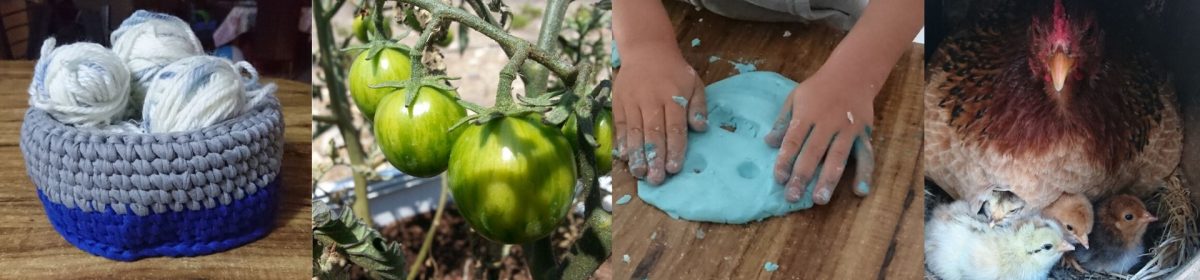
Above: growing some of your own food is excellent, but one must give it time
For those just venturing out into the field of frugality and a more self-sustainable lifestyle, here are some of the things I find most helpful:
1. Cooking from scratch. This really is a no-brainer. As a rule (though there might be exceptions), ingredients cost less than food. Flour is cheaper than bread, vegetables are cheaper (not to mention healthier!) than pre-packaged soup, and whole chickens are usually cheaper than chicken parts (and you can use the carcass for making rich soups and stocks). Dry beans are cheaper than canned ones. Oh and of course you get an even better return of your investment if you grow your own.
2.
Making your own cleaning products. Apart from
making and using my own soap, I also clean with a mixture of vinegar and water, and the windows, mirrors and taps come out squeaky clean. I will probably look into homemade replacements for fabric softener once my stock runs out.
3. Buying the best quality you can afford. This can be a double-edged sword, because it’s easy to get carried away. Recently, a neighbour of ours wanted to get “the best” antenna for his internet connection. Well, he got something that could probably transmit a signal from Mars. It was ridiculously expensive. We, on the other hand, did a careful evaluation and bought something adequate that does the job. On the other hand, it doesn’t pay off to buy something cheap and of low quality that will soon fall into disrepair.
4. Growing a vegetable garden and raising your own livestock. To this I would add gathering wild foods, or taking advantage of abandoned fruit trees. We do that every year.
A warning about raising livestock – it might take a lot of investment in time and money before these ventures begin to pay off, especially if you run into unexpected trouble. All the chicken owners we know have had their flock demolished by a fox, a mysterious disease or a stray dog at least once. Most goat owners lost does and/or kids because of a kidding that didn’t go as it should have, or else had to pay a large vet bill. These things are heart-wrenching and highly discouraging, apart from the cost.
5. Thrift shops and op shops. A very good idea and there isn’t much to add. There are enough people who have more clothes and things than they can ever need, want or use – and some of that inevitably trickles into thrift shops. I know, because I used to be one of those people! One of my favorite things to wear for yard work a sturdy denim skirt which was priced at a second-hand store at 3 shekels (less than a dollar). I have worn it at least 3 times a week these past two winters, and it’s perfect for working around the house and yard.
There are of course many other great ideas, such as stockpiling, mending and repairing things, revising your internet and phone bills (you might find out you’re actually paying for something you aren’t using, or paying full price when you are entitled to a discount), but time is too short to expand on each of those right now.
It seems to me this often boils down to a difference in attitude – would you rather do it yourself, or pay for the convenience of having someone else do it for you? There isn’t a right and wrong or black and white in this, it’s all a matter of priority in every specific area of your life.
What are your top money savers?